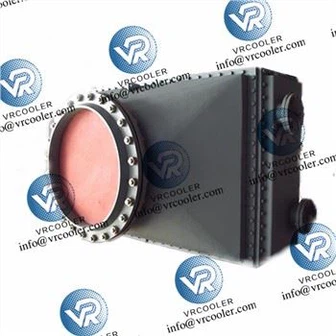
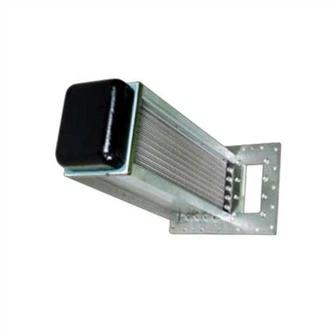
Vessel Accommodation Air-Conditioning Unit Evaporator
Vessel accommodation air-conditioning unit evaporator is a core shell-and-tube heat exchanger for marine HVAC systems. It serves the cooling circuit for ship cabins, mess rooms, offices and recreation areas. Liquid refrigerant absorbs heat and vaporizes inside the evaporator, cooling circulating chilled water which supplies air handling units to maintain comfortable temperature inside vessel accommodation zones. The equipment is built to withstand marine vibration, humidity and salt-laden atmosphere.
Working Principle
Low-temperature low-pressure liquid refrigerant enters the shell side (or tube side) of the evaporator. Chilled water circulates through the heat transfer tube bundle.
Liquid refrigerant absorbs heat from chilled water and evaporates into refrigerant vapor. The chilled water temperature drops and is circulated to air conditioning terminals for cabin cooling.
Refrigerant vapor is then drawn into the compressor to complete the refrigeration cycle.
Key Functions
Transfer heat between refrigerant and chilled water to produce cold water for accommodation cooling
Stabilize chilled water supply temperature to ensure consistent cabin comfort
Prevent excessive superheat of refrigerant to protect marine refrigeration compressors
Support continuous cooling for crew and passenger accommodation during long-distance navigation

Marine-Grade Design Features
Tube bundle material options: copper alloy, 316L stainless steel, anti-corrosion against salt mist and treated chilled water
Reinforced shell structure with marine anti-corrosion coating, anti-vibration design adapting to ship sway and engine vibration
Optimized internal flow layout to avoid refrigerant liquid slugging risk
Removable water box for convenient descaling and regular maintenance
Compact footprint, designed for limited engine room / HVAC compartment space on vessels
Pass hydraulic pressure and tightness testing, compliant with marine classification society standards
Custom cooling capacity and connection sizes to match marine packaged air conditioning chillers
Core Advantages
Stable heat exchange performance under rolling and vibration marine operating conditions
Anti-corrosion construction extends service life in salt fog environment
Low flow resistance reduces chilled water pump energy consumption
Easy inspection and cleaning to avoid scaling loss of cooling efficiency
Direct replacement evaporator for mainstream marine HVAC brands
Typical Application Scenarios
Container ships, bulk carriers, tankers, general cargo vessels accommodation air conditioning chillers
Offshore platform living quarter cooling system
Yachts, passenger ships and tugboat cabin HVAC equipment
Marine auxiliary refrigeration and air conditioning supporting system