Using Compressor Waste Heat For Space Heating
Utilizing Air Compressor Waste Heat for Factory Space Heating
1. Working Principle
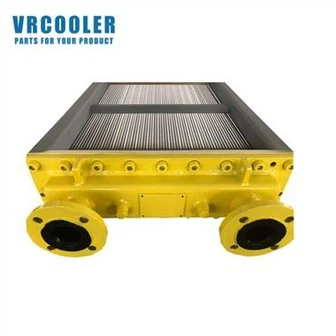
Air compressors convert roughly 85% of input electrical power into waste heat carried by high-temperature lubricating oil (oil-injected screw compressors, 80–95°C) or hot compressed air (oil-free units, 120–160°C). This low-to-medium grade thermal energy can be fully recovered via VRCOOLER finned tube waste heat exchangers and transferred to a closed water/glycol circulation loop. The heated medium is then delivered to heating terminals (radiators, floor heating coils, air handling units) to supply stable space heating for workshops, offices, warehouses and staff lounges in winter.
The whole system replaces gas-fired boilers, electric heating or oil heaters, eliminating extra energy consumption for building heating. VRCOOLER's finned tube structure greatly expands heat exchange area, achieving heat recovery efficiency over 90%.
2. Complete System Composition (Core VRCOOLER Equipment Included)
Heat Capture Module
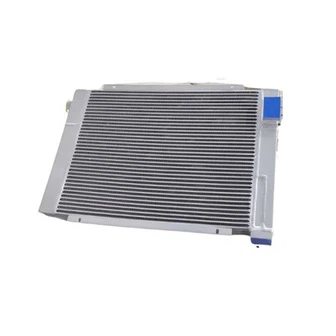
VRCOOLER customized finned tube oil-water heat exchanger (for oil-injected compressors) or air-water finned tube heat exchanger (oil-free compressors). Hot compressor oil/hot air flows through one side of finned tubes, transferring heat to cold circulating fluid on the other side.
Circulation & Buffer Module
Circulating pump, expansion tank, insulated hot water buffer tank, filters, shut-off valves and bypass pipelines. The buffer tank stores surplus heat generated during peak compressor operation to maintain steady heating output when compressors run at low load or standby.
Heating Terminal Module
Workshop radiators, underfloor heating pipes, fan coil units or air heating coils installed inside production zones and office areas.
Intelligent PLC Control System (VRCOOLER supporting)
Automatically adjust circulating pump flow based on compressor oil temperature and indoor ambient temperature; switch to bypass cooling in summer to stop heat supply and restore the compressor's original air cooling radiator.
Auxiliary Backup Heating (Optional)
Small electric heater or gas burner only for extreme cold days when compressor waste heat is insufficient.

3. Standard Technical Process
The air compressor starts operation, lubricating oil heats up to 85–93°C after continuous running.
The PLC system opens the heat recovery loop; hot oil enters the VRCOOLER finned tube heat exchanger.
Low-temperature glycol/water absorbs heat through finned tubes and rises to 45–70°C.
Warm circulating fluid is pumped to heating terminals inside buildings, releasing heat to raise indoor temperature.
Cooled fluid flows back to the VRCOOLER heat exchanger for reheating to form a closed circulation.
If indoor temperature reaches the set upper limit, the system reduces circulation flow to cut heat supply; if compressors stop running, the insulated buffer tank releases stored heat to sustain heating for several hours.
In non-heating seasons (summer), the system activates the bypass pipeline, all waste heat dissipates through the original compressor radiator, with no impact on compressor cooling performance.
4. Key Advantages of This Heating Solution
Economic Benefits
Zero extra fuel/electricity cost for space heating; eliminate boiler fuel bills and electric heating expenses.
Short investment payback period (typically 1–2 years) thanks to VRCOOLER high-efficiency heat recovery equipment.
Reduce compressor maintenance loss: steady oil temperature extends lubricant service life.
Energy & Environmental Benefits
Recover otherwise wasted thermal energy, cut factory total power/gas consumption and lower carbon emissions.
No boiler flue gas, no extra pollutant discharge, meeting industrial green production standards.
Operational Advantages
Stable heating output: matched with heat storage tank to avoid temperature fluctuations caused by variable compressor loads.
VRCOOLER finned tube heat exchangers feature anti-fouling flow channels, requiring only annual simple cleaning with low maintenance workload.
Fully automatic unattended operation via integrated PLC control.
5. Main Application Scenarios
Large manufacturing workshops, assembly plants, metal processing factories with long daily compressor operation hours
Factory offices, staff dormitories, canteens and rest areas
Agricultural biogas plants: combine compressor waste heat with generator waste heat to heat anaerobic digesters and plant office spaces simultaneously
Cold storage auxiliary office areas, mechanical equipment warehouses