Innovative application of air compressor heat recovery in household hot water systems
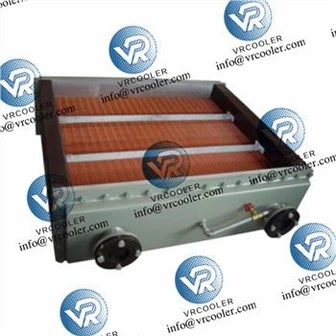
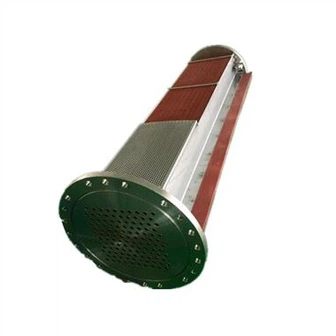
The core logic behind applying air compressors to hot water production is waste heat recovery (WHR). The system operates on a straightforward principle involving a heat exchanger, circulation pump, insulated storage tank, and an intelligent control system. The key lies in efficiently transferring energy: as the compressor runs, the main unit, lubricating oil, and cooling system generate high temperatures ranging from 80°C to 100°C. A dedicated heat exchanger collects this thermal energy. A circulation pump then introduces cold tap water into the exchanger, where it absorbs the waste heat and is heated to a usable domestic temperature of 50°C to 60°C before being stored in an insulated tank for later use. Notably, this process does not increase the compressor's load; on the contrary, it stabilizes the equipment's operating temperature within the optimal range of 65°C-85°C, reducing lubricant degradation and component aging, thereby extending the machine's service life.

Compared to traditional electric or gas-fired heating methods, air compressor waste heat recovery systems offer three distinct advantages.
1. Zero Heating Cost: The system produces hot water using 100% waste heat. Only the circulation pump requires a minimal amount of electricity (accounting for less than 2% of total energy consumption). This can reduce annual electricity bills by over 90% compared to electric heating. For instance, a food factory in Zhejiang reported saving 58,000 RMB annually on electricity costs, recouping their equipment investment in just over 5 months.
2. Stable Supply: Unlike solar energy, heat supply is not weather-dependent. As long as the air compressor is running, heat is generated. When paired with a buffer tank and auxiliary heating, the system avoids fluctuations in water temperature or supply interruptions caused by changes in compressor load.
3. Safety and Environmental Friendliness: Indirect heat exchange technology (such as plate heat exchangers) physically isolates the compressor's lubricating oil from the domestic water supply, completely eliminating the risk of contamination. Furthermore, by reducing reliance on fossil fuels or grid electricity for heating, the system significantly lowers carbon emissions, helping enterprises achieve their green production goals.
In practical applications, this system has been widely adopted across various scenarios. For factories or enterprises with more than 50 employees, it can directly meet hot water demands for dormitory showers and cafeteria dishwashing. A single 100HP screw compressor running 24 hours a day can supply hot water for up to 1,000 employees. In commercial complexes and hotels, linking multiple compressors allows for 24/7 uninterrupted hot water service, improving both operational efficiency and guest satisfaction.
To ensure the efficient and stable operation of an air compressor hot water system, four key technical considerations must be addressed:
• Temperature Control: Thermostatic valves and buffer tanks are essential to prevent scalding or insufficient heating.
• Water Quality Management: Filters and anti-scaling agents prevent impurities and limescale from fouling the heat exchanger, which would reduce efficiency.
• Safety Isolation: Rigorous adherence to indirect heat exchange design is mandatory to safeguard drinking water safety.
• Emergency Backup: Auxiliary electric heaters should be installed to handle situations where the compressor is shut down or heat output is insufficient.