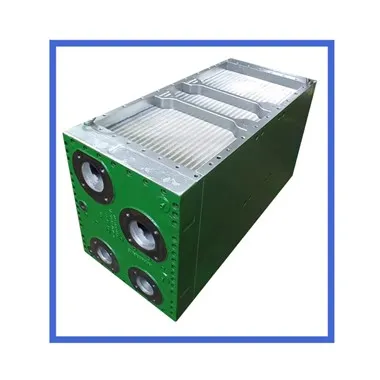
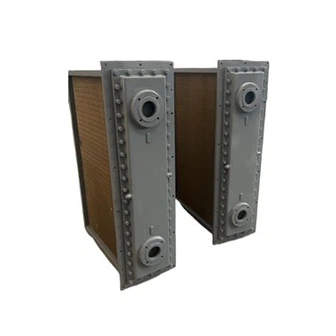
Turbine Generator Coolers
Turbine Generator Coolers
Hydrogen coolers are not normally used in turbine generators.
Hydrogen coolers are involved and are used in specific generator types, especially in large, high-power generators for special applications such as nuclear power plants.
For general turbine generators, the common cooling methods used are water or air cooling. The internal components of these turbogenerators generate heat as they rotate and therefore require cooling systems to control the temperature and ensure stable operation.

Water-cooled turbine generators:
Water-cooled turbine generators use water as the cooling medium, and the cooling water is circulated through the cooling system into the interior of the generator. The cooling water flows through the heat source components inside the generator, such as the stator coils and rotor, absorbing heat, which is then removed by the cooling cycle and finally released to the surrounding environment. A water cooling system typically consists of chillers, pumps and pipework.
Air-cooled turbine generators:
Air-cooled turbine generators use air as the cooling medium. Similar to the air cooler described previously, heat is removed by directing the surrounding air through the cooling surfaces inside the generator by means of a fan or air blades. Air cooling systems are relatively simple and are particularly suitable for small to medium sized turbine generators.
It is important to emphasise that turbine generators are cooled differently depending on the specific design and application scenario. Hydrogen coolers are usually used for large, high-power generators with special requirements, while water and air cooling are the commonly used cooling methods for turbine generators.