Tubular Heat Exchanger For Exhaust Gases From A CHP Engine
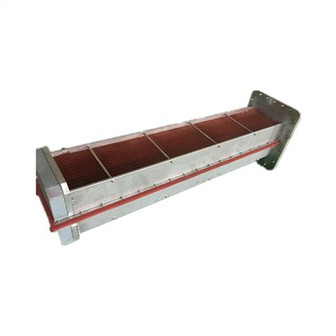
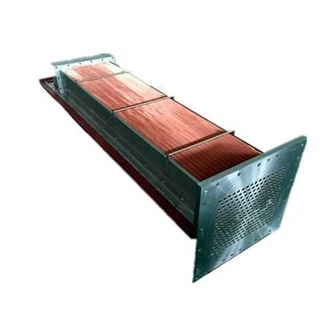
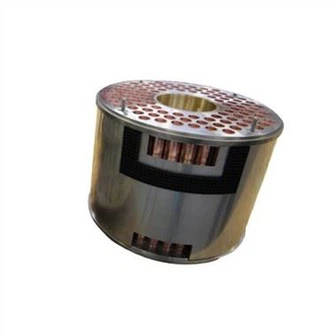
Tubular Heat Exchanger for Exhaust Gases from a CHP engine
Tube heat exchangers enable the transfer of heat between two fluids through the tube walls. In the case of CHP engine exhaust gases, the hot exhaust gases flow inside or outside the tubes, while the cooling medium (e.g. water) flows outside or inside the tube bundle, and the heat is exchanged through the metal tube wall, so that the heat in the exhaust gases can be transferred to the cooling medium to realize the purpose of waste heat recovery or lowering the temperature of the exhaust gases.
Structural components
Shell: usually a cylindrical container, the internal container of the tube bundle, the two ends are fixed by the tube plate, used to withstand fluid pressure and thermal stress.
Tube bundle: It consists of a number of straight tubes or U-shaped tubes, and is the main place for heat exchange between the exhaust gas and the cooling medium. The tubes are separated by a folding plate to form a shell fluid channel, which increases the degree of turbulence of the fluid and improves the heat transfer efficiency.
Tube plate: the key component connecting the tube bundle with the shell, plays the role of fixing the tube bundle and preventing fluid leakage, and also bears the fluid pressure and thermal stress.
Folding plate: force the fluid in the shell process to flush the tube bundle transversely for many times, so that the fluid forms turbulence in the shell process, which significantly improves the heat transfer coefficient and enhances the heat transfer effect.
Features
High-efficiency heat transfer: through the reasonable design of tube bundles, folding plates and other structures, the exhaust gas and cooling medium are in full contact to realize efficient heat transfer.
High adaptability: customized design can be made according to different parameters such as exhaust gas flow, temperature and pressure to meet the exhaust gas treatment needs of various CHP engines.
Good corrosion resistance: Since CHP engine exhaust gas may contain corrosive components, tube heat exchangers are usually manufactured with corrosion-resistant materials, such as stainless steel, to extend the service life of the equipment.
Convenient maintenance: the structure is relatively simple and easy to disassemble and assemble for cleaning, overhauling and replacement of components.
Application areas
Energy recovery: in the cogeneration system, the heat in the exhaust gas of the CHP engine is recovered and utilized for heating water, generating steam or driving other thermal equipments, which improves the efficiency of energy utilization and reduces energy consumption.
Industrial production: In the CHP system of chemical, petroleum, metallurgy and other industries, it is used to treat the exhaust gas of the engine, realize the recovery of waste heat and energy saving and emission reduction, and at the same time provide the required heat energy for the industrial production process.
Environmental protection: By lowering the temperature of exhaust gas, it reduces the thermal pollution of exhaust gas emission to the environment, and also helps to reduce the emission of hazardous substances in the exhaust gas, which is in line with the requirements of environmental protection.