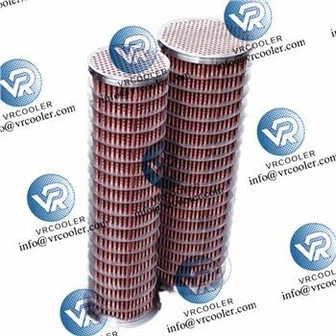
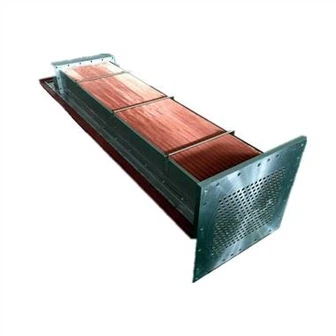
Tubular Exhaust Gas Heat Exchangers For Natural Gas CHP Systems
A tubular exhaust gas heat exchanger is a shell-and-tube heat recovery unit designed specifically to handle the high-temperature exhaust from natural gas engines. Exhaust gases typically leave the engine at 350–550°C. Instead of releasing this hot gas into the atmosphere, the exchanger captures the heat and transfers it to:
- Hot water
- Thermal oil
- Steam
- Glycol or heating circuits
- District heating systems
This significantly boosts the total efficiency of the CHP system, often raising it above 85–90%.

Why Tubular Designs Are Ideal for Natural Gas CHP
-
High Temperature and Pressure Resistance
Tubular heat exchangers tolerate the extreme exhaust temperatures produced by natural gas engines. They are built with heavy-duty tubes and shell materials that resist thermal stress and corrosion.
-
Easy Maintenance and Cleaning
Compared with plate-type exchangers, tubular units are easier to clean, especially in applications with soot or particulate buildup.
-
Strong Mechanical Durability
CHP engines produce vibration and pulsation. The tube bundle design (straight tubes or U-tubes) offers high mechanical strength and long operating life.
-
Flexibility in Heat Recovery
They can generate hot water, low-pressure steam, or serve as part of a multi-stage waste heat recovery system depending on project requirements.
How Tubular Exhaust Gas Heat Exchangers Work
Hot exhaust gas enters the heat exchanger shell.
The gas passes across multiple heat-exchange tubes arranged in a tube bundle.
Water or another working fluid circulates inside the tubes.
Heat transfers from exhaust gas into the fluid.
Cooled exhaust exits toward the stack.
The recovered heat is supplied to heating networks or industrial processes.
Internal baffles guide the exhaust flow to maximize residence time and optimize heat transfer.
Tubular exhaust gas heat exchangers are a critical component for natural gas CHP systems, enabling exceptional energy efficiency and reliable heat recovery. Their robust construction, modular design, and ability to handle high temperatures make them the preferred solution for industries looking to maximize the performance of their CHP installations.