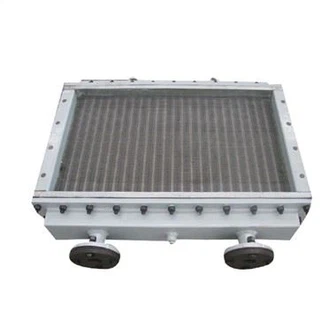
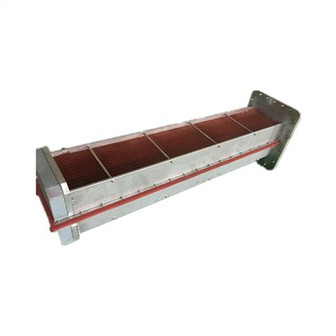
The Role Of Air Compressor Coolers
The Role of Air Compressor Coolers
The core function of air compressor coolers is to promptly dissipate heat generated during the compression process, ensuring stable and efficient operation of the air compressor while protecting the equipment and downstream systems.
Their specific roles can be categorized into the following three core dimensions:
1. Ensuring Safe and Stable Compressor Operation
Temperature Control: Compressing air generates significant heat. Without timely cooling, critical internal components (such as cylinders, rotors, and lubricants) can overheat.
Preventing Component Damage: High temperatures accelerate wear and aging, potentially causing lubricant carbonization, seal failure, and other malfunctions. Severe cases may lead to unit shutdown or scrapping.
2. Enhancing Compressed Air System Efficiency
Reducing Compression Energy Consumption: According to thermodynamic principles, lower gas temperatures require less energy for subsequent compression. Coolers reduce energy consumption by cooling compressed air during intermediate stages.
Ensuring Airflow Volume: High temperatures decrease gas density, reducing air mass per unit volume. Cooling restores gas density, guaranteeing the compressor delivers its rated compressed air output.
3. Optimizing Downstream Air Quality and Protecting Equipment
Separating Moisture: High-temperature compressed air contains significant water vapor, which condenses into liquid water upon cooling. Coolers, in conjunction with separators, expel this moisture, preventing its entry into downstream piping, valves, or equipment to avoid corrosion and malfunctions.
Lowering Inlet Temperature: Downstream pneumatic equipment (e.g., cylinders, solenoid valves) typically requires inlet air temperatures within specific ranges. Coolers reduce compressed air temperature to meet these operational standards.