Temperature Control For Oil Cooler Protection Of Industrial Equipment
1, The core function of oil cooler
During the circulation process, oil will continue to generate heat due to mechanical friction and pressure loss. If not dissipated in time, problems such as viscosity decrease, lubrication failure, seal aging, oil oxidation and deterioration may occur. In severe cases, equipment failure, shutdown, and even safety accidents may occur. The core function of an oil cooler is to:
Quickly remove excess heat and stabilize oil temperature
Maintain appropriate viscosity of lubricating oil and hydraulic oil to improve lubrication and transmission efficiency
Delay oil oxidation, extend oil change cycle and equipment life
Protect key components such as seals, bearings, and valve bodies to reduce failure rates
2, Mainstream types and applicable scenarios
According to different cooling media, oil coolers are mainly divided into two categories: air-cooled and water-cooled, with significant differences in structure and application:
1. Air cooled oil cooler
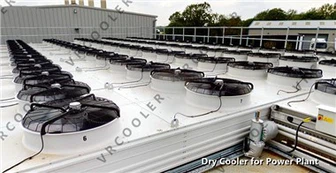
By relying on a fan to force air flow and remove heat, there is no need for a water source, and the installation is flexible.
Advantages: No need to connect cooling water, simple maintenance, no risk of scaling or blockage
Suitable for: mobile machinery, no cooling water conditions, outdoor working conditions, small and medium-sized hydraulic stations
Common structures: Plate fin type, tube fin type, paired with axial flow fan
2. Water cooled oil cooler
By indirectly exchanging heat between circulating water and oil, the cooling efficiency is higher and the temperature control is more stable.
Advantages: Strong heat transfer effect, less affected by environmental temperature
Suitable for: high-power equipment, continuous operation units, and scenarios with high requirements for oil temperature accuracy
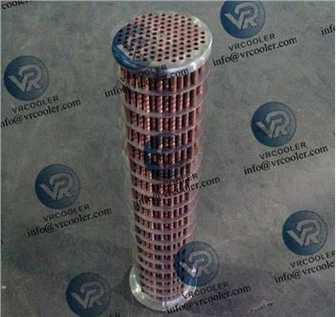
Common structures: shell and tube type, plate type, tube type, high reliability, strong pressure bearing capacity

3, Key application areas of oil coolers
Hydraulic system: injection molding machine, die-casting machine, machine tool, hydraulic station
Engine and power unit: diesel engine, generator, marine power system
Transmission lubrication: wind turbine gearbox, reducer, compressor
Construction machinery: excavators, cranes, pavers, mining equipment
Industrial manufacturing: metallurgical equipment, plastic machinery, textile machinery, CNC machine tools
Selection and maintenance points
Selection key
Based on: heat load, oil flow rate, inlet and outlet oil temperature, environmental/water source conditions
Key points: heat exchange area, pressure loss, material compatibility, installation space
Material: carbon steel, stainless steel, copper alloy, etc., selected according to the oil and medium
routine maintenance
Air cooling: Regularly clean the dust on the fins and check the operation of the fan
Water cooling: Regular drainage and descaling to prevent pipeline blockage and corrosion
Operation: Monitor oil temperature, oil pressure, and leakage, and replace aging seals in a timely manner