Structure Of An Air Cooler
Structure of an Air Cooler
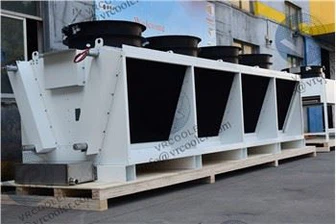
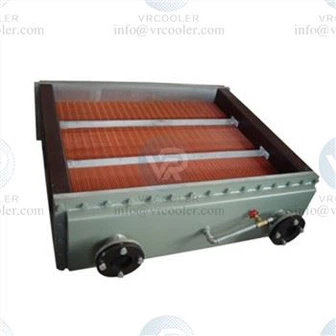
An air cooler typically consists of a series of tubes and fins, which together form the cooling surface of the air cooler. This construction is designed to maximize surface area for more efficient heat dissipation.
The tubes in an air cooler are usually metal tubes with good thermal conductivity, such as copper or aluminum. These tubes are responsible for directing the cooling medium (usually air) past the fins and transferring the heat. The design and layout of the tubes help ensure that the cooling medium flows evenly throughout the radiator.
Fins are thin sheets attached to the tubes that are designed to increase the surface area for heat dissipation. The shape and density of the fins have a significant effect on the heat dissipation of an air cooler. Typically, fins are designed to provide sufficient surface area to increase heat transfer while maintaining structural strength.

Heat Dissipation Principle:
The operating principle of an air cooler is based on heat exchange. Heat is transferred from the diesel engine or other heat source to the air cooler tubes and then dissipated through the fins to the surrounding air. In this way, heat dissipation is achieved by transferring heat to the air and the cooling medium (air) absorbing the heat.
Tubes and fins are usually manufactured from metals with good thermal conductivity and corrosion resistance to ensure the stability and durability of the air cooler.