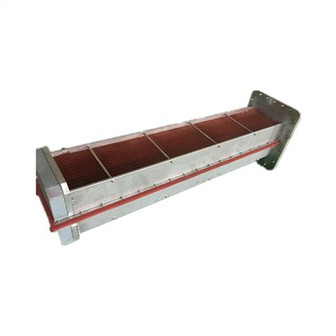
Outboard Water Coolers
Outboard Water Coolers
An outboard water cooler is a key component of a cooling system for marine engines. It is designed to be suspended on the side of the ship (outside the ship) and connected to the engine to cool the heat generated by the engine.
An outboard water cooler is usually suspended over the side of a ship, allowing it to come into direct contact with the surrounding water. This design helps to utilise seawater or other water sources for cooling. The cooler pumps water in and distributes it to the engines to cool them.
CONSTRUCTION: An outboard water cooler usually consists of a series of metal tubes that are responsible for exchanging cooling water with hot water from the engine. These tubes may have fins on the outside of the tubes to increase the surface area for heat dissipation and increase the efficiency of heat dissipation.

Seawater Cooling: An outboard water cooler typically utilises the surrounding seawater or other water source for cooling. The seawater passes through tubes in the cooler, absorbs heat from the engine, and is then discharged through a drain in the outboard water cooler.
Corrosion and Fouling Resistance: Outboard water coolers are often made of materials that can resist corrosion from seawater, such as copper alloys or stainless steel. In addition, some coolers may be coated with special anti-fouling coatings to minimise the adhesion of organisms such as seaweed and shells.
Pumps and Plumbing: Outboard water coolers often need to work in conjunction with a pump and plumbing system. The pump is responsible for drawing seawater in from the outboard water cooler and discharging the hot water through the engine. The pipework connects the pump, cooler and engine.
Maintenance: Regular cleaning and inspection of the outboard water cooler is an important part of maintaining the cooling system. Salt and other deposits from seawater can build up inside the cooler and affect its performance.
Outboard water coolers are a common cooling system configuration in marine engines operating at sea, ensuring that the engine maintains the proper temperature during operation to prevent overheating and damage.