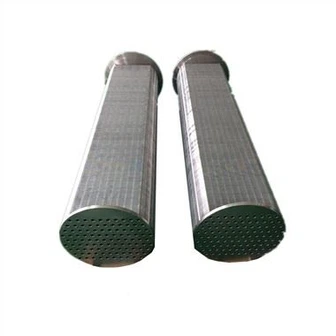
Shower Wastewater Heat Recovery
1, Core principle
The temperature of the bathing wastewater is about 30-40 ℃. It undergoes non mixing heat exchange with tap water (cold water) through a counterflow heat exchanger, preheating the cold water to 25-30 ℃ before entering the water heater to reduce secondary heating energy consumption.
2, Mainstream device types (by structure and application)
1. Household/Small: Instant type without water storage (most commonly used)
Structure: Replace a vertical drainage pipe with a spiral copper tube wrapped around it (for cold water), with wastewater flowing downwards and cold water flowing upwards, for counter current heat exchange.
Features: No moving parts, maintenance free, easy installation, low cost; Synchronize recycling only during showering.
Energy saving: about 40% -50%.
2. Household/Small: with water storage type
Structure: Hot water storage tank+built-in heat exchange coil; The wastewater flows through the coil to preheat the water in the tank, and the cold water absorbs heat from the tank.
Features: Can be non synchronously recycled (such as bathtub, laundry waste heat), making hot water more stable; Regular maintenance is required.

Energy saving: about 50% -60%.
3. Commercial/centralized: sewage source heat pump system (large bathrooms/hotels/schools)
Process: Wastewater collection → Filtration → Preheating of cold water by primary heat exchanger → Secondary heating by heat pump unit → Hot water supply.
Features: More thorough recycling (wastewater can be reduced to 5-10 ℃), high energy efficiency ratio (COP); Large initial investment and extensive land occupation.
Energy saving: About 30% less than gas stoves, with a comprehensive energy saving of over 60%.
4. Commercial use: direct heating vs circulating heating
Direct heating type: wastewater is directly supplied to the host for heat exchange and then discharged; Low investment and small land occupation, but easily affected by traffic congestion.
Circulating heating type: double sewage tank buffering, stable flow, less protection for the main engine; High initial investment and large land occupation.
3, Core component: Heat exchanger
Shell and tube/casing type: wastewater flows through the inner pipe, cold water flows through the outer pipe (or in reverse), counter current heat exchange, mainstream for household use.
Plate heat exchanger: large heat exchange area, high efficiency, suitable for commercial use; Regular cleaning is required to prevent blockages.
Key design: Reverse flow arrangement (cold and hot flow directions are opposite), with the highest heat transfer efficiency.
4, Applicable scenarios and benefits
1. Applicable scenarios
Household: households with frequent showers and high energy consumption of hot water.
Commercial: hotels, schools, gyms, bathhouses, collective dormitories.
2. Revenue (taking household use as an example)
Energy saving: Annual reduction of hot water energy consumption by 40% -60%, with a significant decrease in electricity/gas bills.
Environmental Protection: Reduce carbon emissions and comply with green building requirements.
Investment return: Household equipment costs 3000-8000 yuan, with a payback period of 2.5-7 years (depending on frequency of use).
5, Installation and Precautions
Household installation: Vertical drainage pipe renovation requires reserved space; Suitable for electric/gas/solar water heaters.
Filtering and maintenance: Install a hair filter at the front end, regularly clean the heat exchanger to prevent clogging.
Water quality: In hard water areas, anti scaling measures should be taken into account, and soft water devices can be added.
Flow matching: The flow rate of the heat exchanger is matched with the flow rate of the shower to avoid affecting the outlet temperature.
Shower heat recovery is a mature, efficient, and cost-effective hot water energy-saving solution that can quickly recoup costs for household use and generate significant long-term commercial returns. Priority should be given to selecting counterflow non storage water type (household) or sewage source heat pump (commercial), which can operate stably for a long time with filtration and maintenance