Shell And Tube Evaporator Design
Shell and Tube Evaporator Design
Shell and tube evaporators are a common type of heat exchanger used to evaporate liquids into gases. The following are the basic design principles of shell and tube evaporator:
Selection of suitable materials: Materials such as stainless steel or copper alloy are usually used to ensure corrosion resistance and good heat transfer performance.
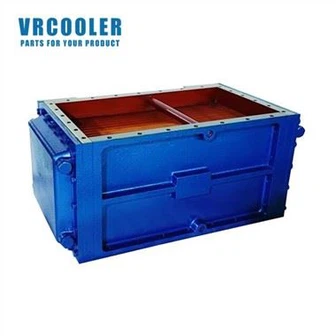
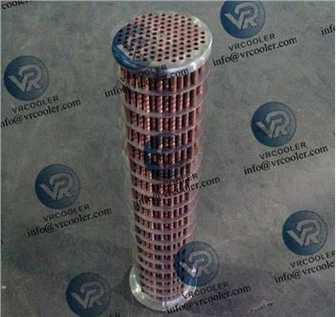
Determine the shell and tube structure: Shell and tube evaporator consists of shell and tube bundle. The shell is a hermetically sealed container, while the tube bundle consists of several parallel tubes used to transfer heat. The tube bundles can be arranged in a single pass, multiple passes or multiple stages.

Determine the fluid flow mode: the fluid in the evaporator can be single-phase flow (liquid or gas) or two-phase flow (liquid and gas at the same time). According to the process requirements and heat transfer efficiency, choose the appropriate flow mode, such as vertical flow, horizontal flow or mixed flow.
Calculate the heat transfer area: According to the nature of the fluid to be treated, mass flow rate and evaporation requirements, determine the appropriate heat transfer area to ensure sufficient heat transfer efficiency.
Design the tube bundle structure: The design of the tube bundle involves parameters such as tube diameter, length and spacing, as well as the arrangement and support structure of the tube bundle, to maximize the heat transfer efficiency and ensure the stability of the structure.
Selection of suitable heat transfer medium: According to the process requirements and available resources, select a suitable heat transfer medium, such as water, steam, thermal oil, etc.
Consideration of cleaning and maintenance: The design should take into account the convenience of cleaning and maintenance to ensure the long-term stable operation of the equipment.
Performance optimization: optimize the design using numerical simulation or experimental testing to improve heat transfer efficiency and energy utilization.
In the actual design, it is also necessary to consider the specific process requirements, environmental conditions and safety standards and other factors to ensure the safe, stable and efficient operation of the evaporator.