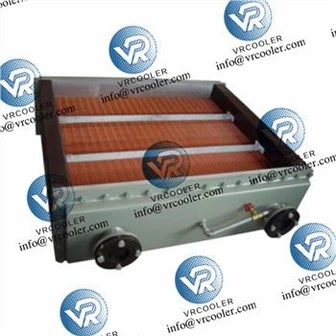
Shell And Tube Condenser For Hydrocarbon Vapor in Refineries: High Efficiency & Corrosion Resistance
Tags: shell and tube condenser, refinery hydrocarbon condenser, corrosion-resistant condenser
In petroleum refining, the condensation of hydrocarbon vapors (e.g., naphtha, diesel, and vacuum gas oil) is a critical process that directly impacts product yield, energy efficiency, and operational safety. As the core equipment for this task, shell and tube condensers for refinery hydrocarbon vapor are widely deployed in atmospheric and vacuum distillation units, catalytic cracking units, and coking units. Designed to handle high-temperature, high-pressure, and corrosive hydrocarbon media, these condensers ensure reliable and efficient vapor-to-liquid conversion.
Core Functions in Refinery Processes
Refinery hydrocarbon vapor condensers primarily serve three key purposes:
Overhead Vapor Condensation: In atmospheric and vacuum distillation columns, hot hydrocarbon vapors (80–150°C) are condensed into liquid products (e.g., gasoline, diesel) for further separation and refining.
Heat Recovery: The condensation process recovers waste heat from high-temperature vapors, which can be reused to preheat crude oil or generate steam, reducing overall energy consumption by 15–20%.
Vapor Emission Control: Complete condensation minimizes volatile organic compound (VOC) emissions, ensuring compliance with environmental regulations and reducing product loss.
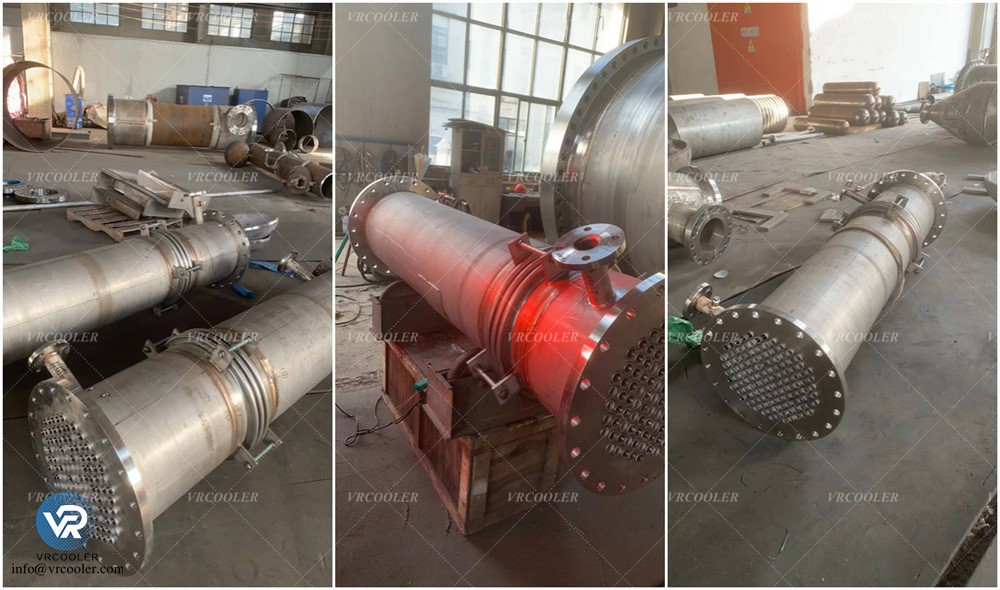
Key Design Features for Refinery Conditions
Our shell and tube condensers for hydrocarbon vapor are engineered to withstand the harsh operating environments of refineries:
Robust Material Selection:
Shell: Carbon steel or low-alloy steel (ASME Section VIII) for high-pressure resistance.
Tube Bundle: 304/316L stainless steel, duplex stainless steel, or titanium to resist corrosion from sulfur compounds, chlorides, and heavy hydrocarbons.
Tube Sheets: Thick carbon steel or stainless steel plates with explosive bonding for high-pressure sealing.
High-Efficiency Heat Transfer:
Optimized tube arrangement (triangular/square pitch) and baffle design enhance shell-side turbulence, improving heat transfer coefficients by 20–40%.
Floating head design accommodates thermal expansion, preventing tube damage from temperature fluctuations.
Strict Quality Compliance: Manufactured in accordance with TEMA, API, and ASME standards. Every unit undergoes hydrostatic testing, X-ray inspection, and helium leak detection to ensure zero defects.
Application Scenarios
Atmospheric/Vacuum Distillation Units: Condense tower-top vapors (naphtha, kerosene, diesel) to recover liquid products.
Catalytic Cracking Units: Cool and condense high-temperature reaction vapors (500°C+) to separate light olefins (ethylene, propylene) and heavy oils.
Coking Units: Condense coke-tower overhead vapors to extract gasoline and diesel fractions.
Naphtha Stabilizers: Remove light hydrocarbons (methane, ethane) from naphtha via condensation, improving product stability.
Why Choose Our Refinery Hydrocarbon Condensers?
With 20+ years of heat exchanger manufacturing experience, we deliver customized shell and tube condensers tailored to refinery-specific conditions:
Custom Engineering: Design capacity ranges from 500 kW to 20 MW; supports horizontal/vertical configurations and single/multi-pass designs.
Cost-Effective Solutions: Optimized material selection and manufacturing processes reduce costs by 30–50% compared to imported brands.
Fast Delivery & Support: Standard lead time 15–35 days; provides on-site installation guidance, maintenance training, and 24/7 technical support.