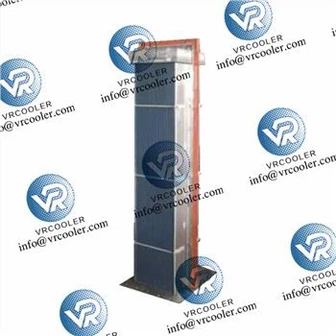
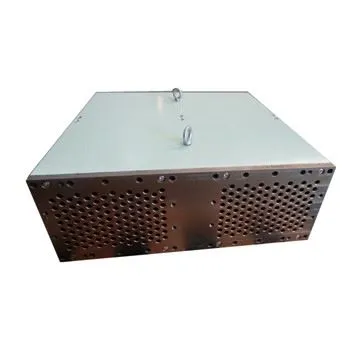
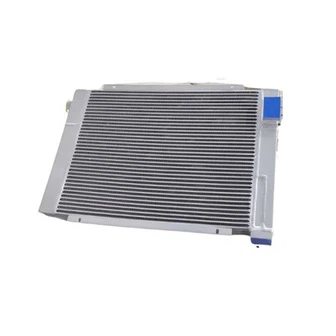
Seawater Cooled VS Fresh Water Cooled Marine Charge Air Cooler
Seawater Cooled CAC
Directly use raw seawater as cooling medium, water flows inside cooling tubes to cool turbo charge air.
Fresh Water Cooled CAC
Adopt closed-loop low temperature fresh water circulation; fresh water absorbs heat first, then cooled by central seawater cooler indirectly.
| Item | Seawater Cooled CAC | Fresh Water Cooled CAC |
|---|---|---|
| Cooling Medium | Direct raw seawater | Closed LT fresh water circuit |
| System Layout | Simple, less piping & components | Complete independent cooling circuit |
| Initial Cost | Low | Higher |
| Cooling Stability | Unstable, affected by seasonal sea water temp | Constant & stable all year round |
| Corrosion Level | High, seawater causes pitting & erosion | Very low, clean fresh water inside tubes |
| Fouling & Deposit | Severe silt, marine growth, salt scale | Light scale, easy to handle |
| Service Life | 3–5 years | 8–12 years |
| Maintenance Work | Frequent cleaning & inspection | Less routine maintenance |
| Charge Air Outlet Temp | Wide fluctuation | Steady 40~50°C |
| Emission Performance | Hard to control NOx | Easy to meet Tier II / Tier III |
| Condensate Water | More condensate needed drain trap | Less moisture, cleaner intake air |
| Recommended Engine | Small medium-speed auxiliary engine | Low-speed main engine & large generator |
| Suitable Vessel | Fishing boat, small tug, coastal vessel | Bulk carrier, container ship, tanker, offshore vessel |

Seawater Cooled CAC
✅ Simple structure, easy installation and repair
✅ Low purchase and installation cost
✅ Fast heat exchange response
❌ Short service life, easy tube leakage
✅ Cooling capacity drops obviously in hot summer
❌ High maintenance frequency
❌ Easy to cause engine power drop
Fresh Water Cooled CAC
✅ Isolate seawater, fully protect tube bundle
✅ Stable cooling effect in all waters & seasons
✅ Reduce engine fuel consumption and exhaust emission
✅ Low failure rate, save long-term replacement cost
✅ Improve engine working condition and extend engine life
❌ Higher overall system investment
❌ More complex system operation management
Material Difference
Seawater type: Must adopt thick wall CuNi 90/10 tube for strong anti-corrosion
Fresh water type: Standard CuNi 90/10 or stainless steel tube is sufficient