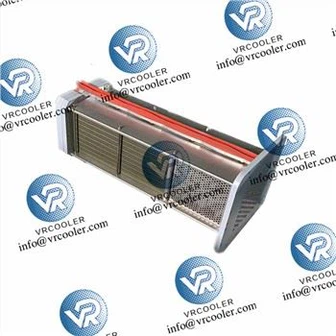
Sea Water Heat Exchangers For A Marine Turbo Diesel 1,600hp
Sea water heat exchangers play a crucial role in the cooling system of marine turbo diesel engines. These heat exchangers are designed to transfer heat from the engine coolant to seawater, helping to maintain the optimal operating temperature of the engine.
Here are some key points to consider:
Material Selection:
Given the corrosive nature of seawater, it's essential to use corrosion-resistant materials for constructing heat exchangers. Common materials include cupronickel, titanium, and stainless steel.
Cupronickel is often a popular choice due to its good corrosion resistance and thermal conductivity.
Tube Design:
The heat exchanger typically consists of tubes through which the engine coolant flows. The design of these tubes is crucial for efficient heat transfer.
Enhanced surface area designs, such as finned tubes or rifled tubes, can improve heat transfer rates.
Flow Configuration:
Shell-and-tube configurations are common in sea water heat exchangers. Seawater flows through the tubes, and engine coolant flows through the shell around the tubes.
The design should promote good flow distribution to ensure effective heat exchange.
Antifouling Measures:
Marine environments can lead to fouling due to the presence of organisms and debris in seawater. Implementing antifouling measures, such as sacrificial anodes or coatings, can help mitigate this issue.
Temperature Control:
Effective temperature control is essential to prevent engine overheating or excessive cooling. Control valves and bypass systems can be integrated to regulate the flow of seawater through the heat exchanger.

Maintenance Considerations:
Accessibility and ease of maintenance are important factors. Design the heat exchanger in a way that allows for easy inspection, cleaning, and replacement of components if necessary.
Integration with Engine System:
Ensure that the sea water heat exchanger is seamlessly integrated into the overall engine cooling system. This includes considering the placement of the heat exchanger, pump capacity, and overall system efficiency.
Monitoring Systems:
Implementing temperature and flow monitoring systems can help in early detection of issues and prevent potential damage to the engine or the heat exchanger.
Regulatory Compliance:
Ensure that the design complies with relevant marine regulations and standards. This is crucial for safety and environmental considerations.
Consideration for Variable Operating Conditions:
Marine engines can operate under various loads and conditions. The heat exchanger design should account for these variations to ensure consistent performance.
It's important to work closely with marine engineers and consider the specific requirements of the turbo diesel engine and the vessel when designing sea water heat exchangers for marine applications. Regular inspection and maintenance are key to ensuring the long-term reliability and efficiency of the cooling system.