Remote Radiators For Wärtsilä 18V32 / Vasa 32 (8 MW) | VRCOOLER
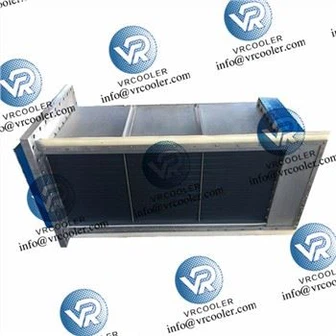
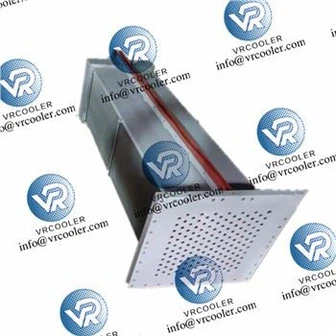
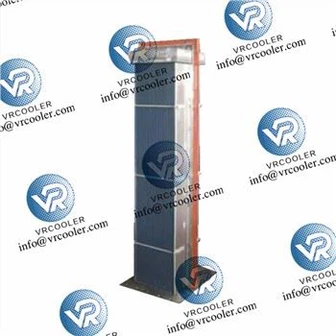
For utility baseload stations, island grids, marine propulsion, and heavy industrial captive power plants operating the Wärtsilä 18V32 / Vasa 32 medium-speed engine (rated at ~8 MW electrical output), VRCOOLER engineers custom heavy-duty, dual-circuit (HT/LT) remote-mounted outdoor radiators and V-bank dry coolers. Sized precisely to handle the 8 MW engine's massive dual-circuit thermal balance-rejecting approximately 4,000−4,500 kWth across the High Temperature (HT) jacket water circuit and 1,200−1,800 kWth across the Low Temperature (LT) charge air circuit-VRCOOLER remote radiators feature complete thermal separation barriers, high-efficiency variable-speed EC fans with N+1N+1 redundancy, hot-dip galvanized structural framing, and C5-M marine-grade anti-corrosion coil protections. Our engineered cooling systems guarantee stable 38°C LT charge air supply water to eliminate engine thermal derating under extreme outdoor ambient temperatures up to +45°C−50°C.

Thermodynamic Cooling Balance of the Wärtsilä 18V32 / Vasa 32 Engine
The Wärtsilä 18V32 (Vasa 32) is an 18-cylinder, 4-stroke medium-speed diesel, heavy fuel oil (HFO), and dual-fuel engine (720/750 RPM) delivering approximately 8,000 kWe / 10,000 kVA of reliable baseload power. To maintain continuous maximum continuous rating (MCR) without knocking or thermal stress, the engine requires high-capacity, dual-temperature heat rejection:
Key Thermal Rejection Requirements:
High Temperature (HT) Circuit (~4,000 kWth – 4,500 kWth): Absorbs intense heat from cylinder jackets, cylinder heads, lube oil heat exchangers, and 1st-stage turbocharger intercooling. Coolant enters the outdoor radiator at ≈85°C−95°C and returns to the engine at ≈75°C−80°C.
Low Temperature (LT) Circuit (~1,200 kWth – 1,800 kWth): Cools the 2nd-stage combustion charge air before it enters the intake manifold. To maintain combustion density and avoid engine knocking or NOx spikes, coolant must return at ≤35°C−38°C (or ≤40°C in tropical peak ambient conditions).
The Cost of Thermal Derating: If the outdoor radiator is undersized and LT water temperature rises above design setpoints, hot intake air forces the engine control system to derate output by 10%−20% (costing 800 kW to 1,600 kW of lost generation).
VRCOOLER Engineering Innovations for 8 MW Wärtsilä Radiators
At VRCOOLER, we design large-scale remote cooling modules engineered for seamless integration with Wärtsilä 18V32 installations:
1. Dual-Circuit (HT / LT) Split-Core Architecture
Physical Isolation Barriers: HT and LT coil bundles are mounted within a unified structural V-bank frame but isolated with physical thermal expansion breaks, preventing hot 90°C90°C HT heat bleed into the sensitive 35°C35°C LT cooling circuit.
Modular Multi-Bank Arrangements: Designed in interconnected modular V-banks for manageable crane lifting, shipping container optimization, and simplified on-site bolt-together assembly.
2. High-Efficiency Variable-Speed EC Fan Arrays (N+1N+1 Redundancy)
Direct-Drive EC Fans: Equipped with 16−32× high-efficiency electronically commutated (EC) fans with aerodynamically contoured sickle blades, delivering high static pressure while reducing auxiliary electrical parasitic load by up to 50%−60% compared to legacy belt-driven fans.
N+1N+1 Fan Reliability: Sized so that even if one or two fan motors trip, the remaining fans automatically ramp up to 100%100% speed to maintain uninterrupted 8 MW generation without operator intervention.
3. Optional Adiabatic Pre-Cooling Booster
Evaporative Misting / Wetting Pads: For desert, Middle Eastern, or tropical installations where ambient dry-bulb temperature exceeds 40°C, VRCOOLER adiabatic booster systems depress incoming air temperature close to wet-bulb levels (26°C−28°C), guaranteeing full 8 MW rated output with zero water consumption during cooler hours.
Heavy-Duty Metallurgy & Anti-Corrosion Protections
Outdoor power plant radiators operate continuously exposed to UV radiation, heavy rain, desert dust, or coastal salt spray:
Heavy-Wall Seamless Tubes: Premium Deoxidized High Residual Phosphorus Copper (C12200), Copper-Nickel 90/10 (C70600), or Stainless Steel 304L/316L tubes roller-expanded into heavy stainless steel tubesheets.
C5-M Marine Fin Coatings: High-conductivity aluminum fins coated with Blygold PoluAl XT, PolyAl phenolic, or electro-deposited epoxy, tested to exceed 4,000+ hours of ASTM B117 salt spray resistance without degrading thermal heat transfer.
Heavy-Gauge Structural Framework: Hot-dip galvanized structural steel (ISO 1461, zinc thickness ≥100 μm) or stainless steel casings engineered for high seismic zones and Category 5 hurricane/typhoon wind loads (250+ km/h).
4. Technical Specifications: VRCOOLER Wärtsilä 18V32 (8 MW) Remote Radiator
|
Engineering Parameter |
HT Circuit Specification |
LT Circuit Specification |
|---|---|---|
|
Compatible Engine Model |
Wärtsilä 18V32 / Vasa 32 |
Wärtsilä 18V32 / Vasa 32 |
|
Rated Electrical Output |
8.0 MWe (~10.0 MVA) |
8.0 MWe (~10.0 MVA) |
|
Thermal Heat Rejection |
4,000−4,500 kWth |
1,200−1,800 kWth |
|
Coolant Medium |
100% Treated Water / Glycol Solution |
100% Treated Water / Glycol Solution |
|
Coolant Inlet Temperature (TinTin) |
≈85°C−95°C |
≈48°C−55°C |
|
Coolant Outlet Temperature (ToutTout) |
≈75°C−80°C |
≤35°C−38°C (Zero Derating) |
|
Design Ambient Temperature |
+35°C/+40°C/+45°C/+50°C |
+35°C/+40°C/+45°C/+50°C |
|
Structural Layout |
High-Capacity Modular V-Bank |
High-Capacity Modular V-Bank |
|
Fan Array Configuration |
16−32×Φ910 mm−Φ1,250 mm EC Fans |
Shared V-Bank or Dedicated Banks |
|
Operating Sound Pressure |
55−75 dB(A)@10 m (Low-Noise Packages Available) |
55−75 dB(A)@10 m |
|
Coil Pressure Rating |
10 bar/16 bar Test Pressure: 24 bar |
10 bar/16 bar Test Pressure: 24 bar |
|
Piping & Flange Connections |
DN150 - DN250 PN16 / ANSI 150# |
DN100 - DN200 PN16 / ANSI 150# |
|
DCS / SCADA Interface |
Modbus RTU / Profibus / 4–20 mA PID |
Modbus RTU / 4–20 mA PID |
Major Applications for 8 MW Wärtsilä 18V32 Installations
VRCOOLER remote-mounted outdoor radiators provide mission-critical cooling across large-scale power facilities:
Utility & Municipal Baseload Stations: Continuous multi-megawatt generation for regional electrical cooperatives and national power grids.
Island Microgrid Power Plants: Ruggedized coastal power stations operating on heavy fuel oil (HFO) or marine diesel across island territories.
Mining & Smelting Captive Power Plants: Providing uninterrupted power for remote open-pit gold, copper, and nickel mines far from municipal grids.
Data Center & Critical Emergency Microgrids: Rapid-start 8 MW standby generation blocks with instantaneous full-load cooling response.
Marine Stationary & Barge-Mounted Power Plants: Floating power barges requiring compact footprint, high vibration tolerance, and marine salt corrosion immunity.
Why Power Plant Asset Managers Choose VRCOOLER
Plant directors, EPC contractors, and maintenance teams trust VRCOOLER for high-power thermal reliability:
1:1 Dimensional & Piping Centerline Retrofit: Direct mechanical interchangeability for replacement projects, matching existing pump skids, expansion tanks, and pipe headers without field modifications.
30%−45% Capital Cost Savings: Sourcing directly from VRCOOLER as the specialized heat exchanger manufacturer bypasses OEM trading markups while delivering superior corrosion coatings.
Optimized Total Parasitic Load: Precision aerofoil EC fan assemblies save up to 50,000−120,000/year in auxiliary plant electricity consumption per 8 MW engine.
Turnkey Skid Packages: Available complete with circulating water pumps (duty/standby), pneumatic 3-way thermostatic valves (TCV), expansion vessels, air separators, and IP66 electrical control cabinets.
Frequently Asked Questions (FAQ)
Q1: How does VRCOOLER size a remote radiator for an 8 MW Wärtsilä 18V32 engine?
A: We use the engine manufacturer's official thermal balance data sheets for the 18V32 / Vasa 32 at 100% and 110% MCR. Sizing incorporates your site elevation, extreme summer dry-bulb temperature, relative humidity, and required acoustic limits at property boundaries.
Q2: Why is the LT circuit return temperature so critical on the Vasa 32 engine?
A: The Vasa 32 relies on cold water supply to its 2nd-stage charge air cooler to maximize intake air mass density and keep combustion chamber temperatures controlled. If LT water exceeds 40°C, the engine ECU must retard timing and derate output to prevent pre-ignition knocking and high exhaust gas temperatures.
Q3: Can VRCOOLER provide replacement cooling coils for existing Wärtsilä radiator frames?
A: Yes. If your existing structural frame and fan cowls are intact but the cooling coils are leaking or corroded, VRCOOLER manufactures custom drop-in replacement coil blocks with identical tube layout, mounting brackets, and flange dimensions.
Q4: What anti-corrosion protection is provided for coastal power plants?
A: We apply Blygold PoluAl XT or phenolic dip-coating to all coil fins, combined with hot-dip galvanized steel frames (≥100 μm zinc) and marine-grade stainless steel hardware, certified for ISO 12944 C5-M coastal environments.
Request a Quote for Wärtsilä 18V32 (8 MW) Remote Radiators
Eliminate engine thermal derating, protect against coastal corrosion, and reduce auxiliary parasitic power consumption. Partner with VRCOOLER, the leading international manufacturer of heavy-duty power plant radiators and dry coolers.
Explore VRCOOLER Power Generation Solutions: Visit www.vrcooler.com
Submit Your Technical Inquiry: Contact our power generation engineering group at [email protected] with your Wärtsilä engine serial data, site ambient conditions, and project installation layout.