Remote Radiator In A Steam Turbine Power Plant
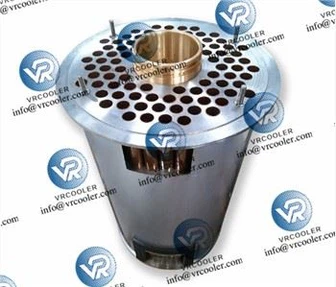
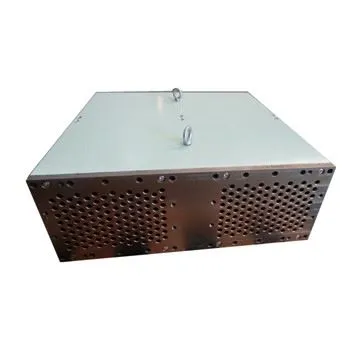
A power plant remote radiator is a component used in certain types of power plants, particularly in those utilizing steam turbines for power generation.
In a steam turbine power plant, steam is used to drive a turbine connected to an electric generator, producing electricity. After passing through the turbine, the steam needs to be condensed back into water so it can be reheated and used again in the cycle. This condensation typically occurs in a condenser, where the steam transfers its heat to a cooling medium, such as water from a cooling tower or a large body of water.
However, in some cases, particularly in remote locations where access to cooling water is limited or costly, a remote radiator system may be used instead of a traditional condenser. A remote radiator operates similarly to a car radiator, using air as the cooling medium instead of water.

Here's how it generally works:
Steam from the turbine enters the remote radiator, where it comes into contact with tubes containing cooler air.
As the steam passes through the radiator tubes, it releases heat to the surrounding air, causing it to condense back into water.
The condensed water is then collected and returned to the boiler to be reheated and reused in the steam cycle.
The now-cooled air is usually expelled from the radiator into the atmosphere.
Remote radiators are often used in remote areas or in situations where access to large quantities of cooling water is not feasible. They can be more expensive to operate and less efficient than traditional condensers, but they provide a solution in situations where water availability is limited.