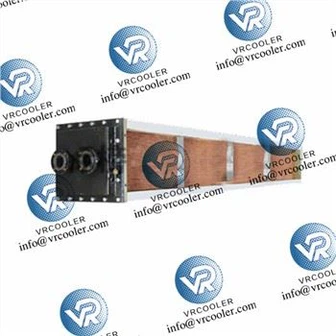
Radiator For CAT C175-16 Genset
Radiator For CAT C175-16 Genset

A remote radiator for a gas generator is a critical component designed to address specific cooling needs in gas generator sets, particularly those used in industrial and power generation applications. Its primary function is to efficiently dissipate heat generated by the gas generator's engine, ensuring optimal operating temperatures and overall performance.
Gas generators, like all internal combustion engines, generate heat during operation. Proper cooling is essential to prevent overheating, which can result in reduced efficiency, accelerated wear and tear, and potentially serious damage. While many gas generator sets come equipped with built-in radiators for cooling purposes, certain situations may demand additional cooling capacity or specialized cooling solutions. This is where a remote radiator proves valuable.
Remote radiators are typically employed when the gas generator set is installed in locations where space constraints or high ambient temperatures pose challenges for effective cooling. Unlike the integrated radiators, a remote radiator is a separate cooling unit installed at a distance from the gas generator set itself. It is connected to the generator set via a network of pipes, hoses, and coolant circulation systems.
The fundamental principle behind a remote radiator's operation involves the transfer of excess heat generated by the gas generator's engine to the surrounding environment. To achieve this, a mixture of water and antifreeze (coolant) is circulated through the gas generator's engine and then through a series of tubes or coils within the remote radiator unit. As the coolant flows through these coils, it releases heat into the surrounding air, effectively cooling down the fluid.
To ensure the efficient operation of the remote radiator system, a pump is employed to circulate the coolant between the gas generator and the remote radiator. Continuous circulation is crucial for maintaining a consistent temperature within the engine and preventing overheating.
In many cases, remote radiator systems are equipped with thermostatic controls. These controls monitor the temperature of the gas generator's engine and regulate the flow of coolant to the remote radiator accordingly. When the engine temperature rises beyond a certain threshold, the thermostat opens, allowing more coolant to flow to the radiator, thereby increasing the cooling capacity.
To enhance the effectiveness of the cooling process, remote radiators are often equipped with fans or other airflow mechanisms. These fans can be electrically or engine-driven and serve to ensure that the air passing over the radiator coils effectively carries away heat from the coolant.
Remote radiators are especially valuable in demanding industrial and power generation environments where gas generator sets must operate continuously under variable environmental conditions. They provide flexibility in managing engine temperature, contributing to the long-term reliability and performance of the generator set. Proper installation, maintenance, and monitoring of the remote radiator system are essential to ensure it functions effectively and reliably.