Purpose Of Floating Head in Heat Exchanger
The floating head in a shell and tube heat exchanger allows the tube bundle to expand and contract freely as temperatures fluctuate. By preventing stress buildup between the stationary shell and the hotter or colder tubes, it drastically reduces mechanical failure and makes the internal bundle easy to remove for cleaning.
Key Purposes of a Floating Head
Accommodates Thermal Expansion: As hot and cold fluids pass through the system, the shell and tubes expand or contract at different rates. The floating head prevents the tubes from warping or snapping under this pressure.
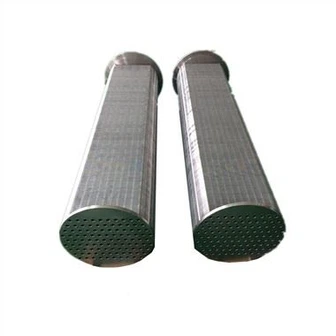
Simplifies Maintenance: Because the floating-end tube sheet isn't welded to the shell, the entire tube bundle can be entirely pulled out of the shell. This provides easy access for mechanical cleaning, inspection, and repairs.
Enables Severe-Duty Use: This design is ideal for demanding industrial environments (such as petrochemical plants and refineries) where high temperatures, extreme temperature differences, and corrosive or fouling fluids are common.