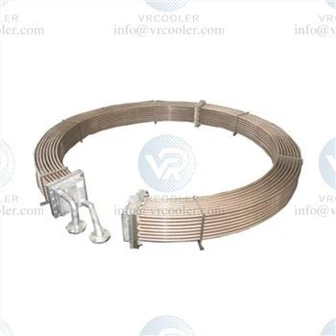
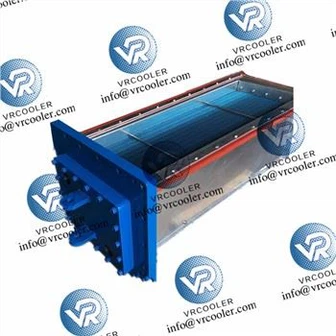
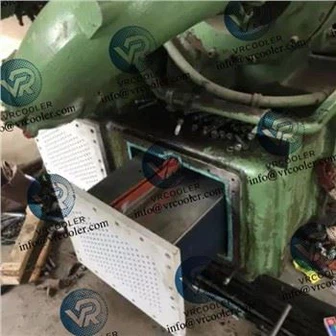
Marine Intercoolers And Marine Heat Exchangers
Marine intercoolers and heat exchangers are crucial components in marine propulsion systems, helping regulate temperatures and ensure efficient operation of engines.
Marine Intercoolers:
Function:
Turbocharged Engines: In many marine applications, especially those with turbocharged engines, intercoolers are used to cool the compressed air before it enters the combustion chamber. This cooling process increases the air density, leading to improved engine efficiency and performance.
Prevention of Overheating: Intercoolers help prevent overheating of the engine by cooling the air that has been compressed by the turbocharger.
Design:
Air-to-Air Intercoolers: In some marine applications, air-to-air intercoolers are used, where ambient air directly cools the compressed air before entering the engine.
Air-to-Water Intercoolers: Others use air-to-water intercoolers, where a liquid coolant (often sea water or a dedicated coolant circuit) is circulated through the intercooler to dissipate heat from the compressed air.
Materials:
Corrosion Resistance: Given the marine environment, intercoolers are typically constructed from materials with high corrosion resistance, such as aluminum or other alloys.

Marine Heat Exchangers:
Function:
Engine Cooling: Marine heat exchangers play a vital role in cooling the engine coolant. They transfer the heat generated by the engine to a separate cooling medium (usually sea water or fresh water) that circulates through the heat exchanger.
Exhaust Gas Heat Recovery: Some marine heat exchangers are designed to recover heat from the engine's exhaust gases, often used for preheating engine intake air or providing hot water for onboard use.
Types:
Shell and Tube Heat Exchangers: Commonly used in marine applications, these consist of a bundle of tubes housed in a shell. Engine coolant flows through the tubes, and sea water circulates around the tubes, facilitating heat exchange.
Plate Heat Exchangers: These consist of plates with alternating channels for the hot and cold fluids. They are compact and efficient, suitable for smaller marine applications.
Materials:
Corrosion Resistance: Like intercoolers, marine heat exchangers are typically made from corrosion-resistant materials, such as cupronickel, titanium, or other alloys.

Maintenance:
Cleaning: Regular cleaning is essential to prevent fouling on the heat exchanger surfaces, especially in saltwater environments.
Both marine intercoolers and heat exchangers contribute significantly to the overall efficiency and reliability of marine propulsion systems. They play a crucial role in managing temperatures, preventing engine overheating, and maximizing the performance of marine engines. Regular maintenance and proper material selection are key considerations for ensuring the longevity and effectiveness of these components in marine environments.