Locomotive Radiators Keep Engines Cool
Locomotive Radiators Keep Engines Cool
Locomotive radiators are vital components that ensure the reliable operation of locomotive engines by dissipating excess heat generated during combustion and mechanical processes. Whether powering diesel-electric locomotives, high-speed trains, or freight engines, these radiators play a critical role in maintaining engine temperatures within safe limits.
Locomotive engines-especially diesel engines-produce immense heat during operation. For example, a typical 4,000-horsepower diesel locomotive engine can generate over 3,000 kW of waste heat. Without effective cooling, engine components like cylinders, pistons, and turbochargers would overheat, leading to reduced efficiency, premature wear, or catastrophic failure.
Radiators solve this by:
Absorbing heat from the engine's coolant (usually a water-glycol mixture) that circulates through the engine block.
Transferring this heat to the surrounding air via a large surface area, ensuring the coolant returns to the engine at a safe temperature (typically 82–93°C for diesel locomotives).
Locomotive radiators are engineered for durability, high heat transfer efficiency, and compatibility with harsh operating environments (e.g., dust, vibration, extreme temperatures). Key components include:
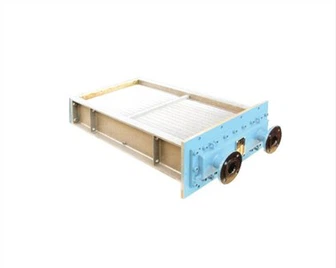
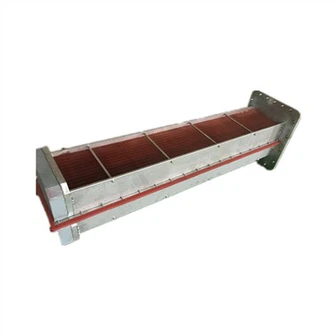
Core: The heart of the radiator, consisting of a network of tubes (carrying coolant) and fins (increasing surface area for heat exchange). Tubes are often made of copper, brass, or aluminum (for lightweight designs), while fins are thin, corrugated metal sheets (aluminum or copper) brazed or soldered to the tubes.
Fin Types: Serrated or louvered fins are common, as their irregular shape disrupts airflow, enhancing heat transfer by creating turbulence.
Headers: Large tanks at the top and bottom of the core that distribute coolant into the tubes and collect it after cooling. They are typically made of cast aluminum or steel, with gaskets to prevent leaks.
Fan and Shroud: A belt-driven or electric fan pulls air through the core, while a shroud directs airflow to maximize contact with the fins. In some locomotives, variable-speed fans adjust airflow based on engine temperature, improving energy efficiency.
Mounting System: Heavy-duty brackets and vibration dampers secure the radiator to the locomotive frame, reducing stress from constant movement and track vibrations.
The radiator operates as part of a closed-loop cooling system:
Heat Absorption: Coolant flows through channels in the engine block and cylinder head, absorbing heat from combustion and friction.
Circulation to Radiator: A water pump pushes the heated coolant into the radiator's top header, which distributes it through the tubes.
Heat Transfer to Air: As coolant passes through the tubes, heat transfers to the fins. Simultaneously, the fan draws ambient air over the fins, carrying away the heat.
Coolant Return: Cooled coolant collects in the bottom header and flows back to the engine, repeating the cycle.