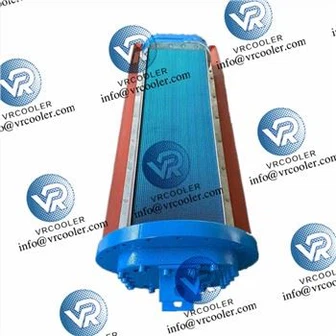
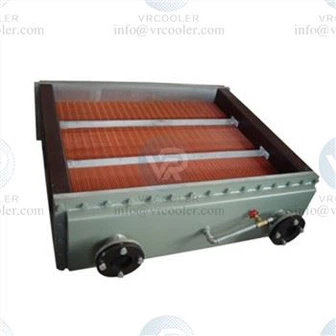
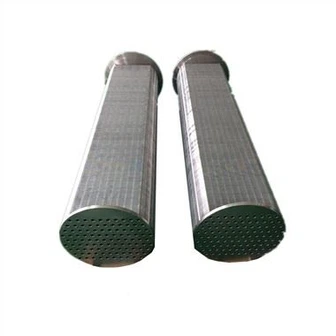
Location And Construction Of The Charge Air Cooler
Location and Construction of the Charge Air Cooler
A charge air cooler is typically mounted between the supercharger (turbo or compressor) and the engine to cool the charge air before it enters the engine. This location allows the charge air cooler to minimize intake air temperatures and improve engine performance and efficiency.
Structure:
Ducts or fins: a charge air cooler usually consists of a series of tiny ducts or fins used to increase the cooling area.
Cooling medium: Usually water or air, used to absorb and carry away heat from the pressurized air.
Inlet and Outlet: The inlet is connected to the outlet of the supercharger and receives the hot charge air; the outlet is connected to the engine's intake system and feeds cooled air into the engine.

Location:
Usually mounted between the supercharger (turbo or compressor) and the engine, sometimes seen mounted on the side or top of the engine.
In a turbocharging system, the supercharger compresses the air and sends it to the charge air cooler, which then sends the cooled air to the engine cylinders.
How it works:
The intercooler in a turbocharging system:
The supercharger compresses and heats the air and sends it to the charge air cooler.
In a charge air cooler, a cooling medium (usually water or air) absorbs heat and cools the hot air.
The cooled air increases in density and decreases in temperature, then enters the engine cylinders.
The cooled air helps to improve combustion efficiency and increase oxygen density, thus improving engine performance and power output.
Intercooler in a mechanical supercharging system:
Similar to a turbocharging system, the supercharger compresses and heats the air, which is then fed to the charge air cooler.
The cooling medium absorbs heat in the charge air cooler and cools the hot air.
The cooled air enters the engine cylinders, improving combustion efficiency and performance.

Advantage:
Reduces intake air temperature and improves engine combustion efficiency.
Reduces the risk of detonation.
Improves engine performance and responsiveness.
Applications:
High-performance automobiles, racing cars, as well as diesel and marine engines that require higher power output.