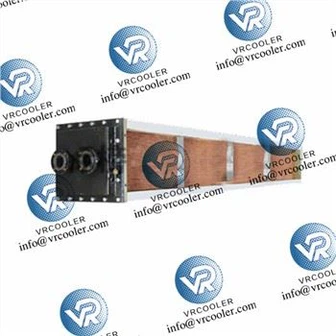
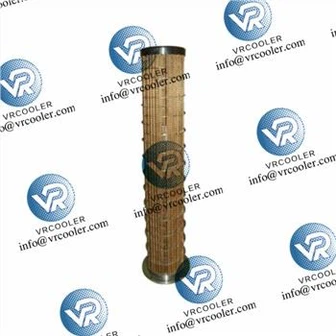
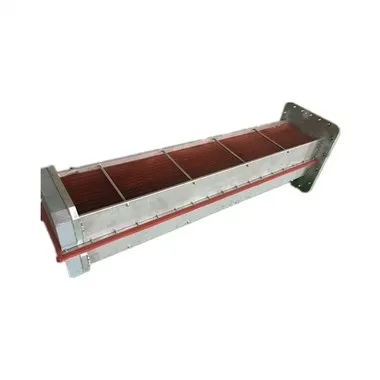
Hydropower Station Generator Air Cooler
Hydropower station generator air cooler
The design margin of the cooling capacity of the air cooler should not be less than 115%, and it should be ensured that when the generator motor is running under the rated working conditions, after any cooler is out of operation, when the inlet cooling water temperature is ≤30 ℃, the outlet air temperature of the cooler does not exceed 30°C. When it exceeds 40°C, the temperature rise of each part of the generator motor does not exceed the allowable temperature rise limit
The air cooler should be made of corrosion-resistant materials such as copper-nickel alloy seamless pipes with high thermal conductivity. The cover plates of the upper and lower water tanks should be made detachable without affecting the pipeline connection. The tube plate should be corrosion-resistant. of stainless steel material. The sealing material of the end cap should not use ordinary nitrile rubber with a short aging life, and the service life of the material should not be less than 10 years. Each cooler shall be provided with water collecting tank and water leakage monitoring device, drainage valve, automatic exhaust valve and other drainage and exhaust devices, as well as necessary measuring instruments and temperature signal meters with electric contacts, as well as scale elimination facilities. Measures to prevent cooling water from flowing into the stator bar on the stator frame when it leaks.
The cooler is designed with the maximum pressure of 1.6Mpa or 2.5MPa according to the cooling water pressure of the unit. The test water pressure is 1.5 times the maximum pressure, which lasts for 30 minutes, and then the pressure is lowered to the design maximum pressure and maintained for 30 minutes. The cooler shall not have any leakage or damage. The water pressure drop between the inlet and outlet pressure gauges of the cooler shall not exceed 0.05MPa.
The location of the cooler should be easy to disassemble and hoist during maintenance, and it should be avoided as far as possible to avoid placing it directly below the main lead-out line and the neutral point lead-out line. If it is arranged just below the main lead-out line and the neutral point lead-out line, measures should be taken to disassemble and hoist it out.