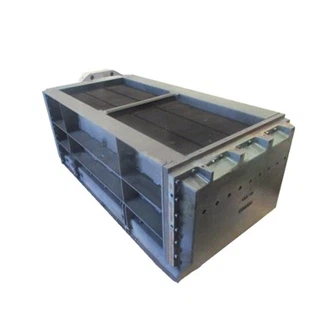
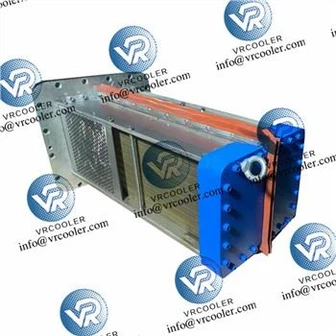
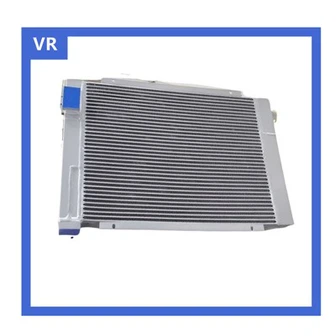
Hydrogen Cooler in Large Diesel Generator
Hydrogen Cooler in Large Diesel Generator
In some large diesel generators, especially turbocharged diesel generators, a Hydrogen Cooler is used. This type of cooling system is called "hydrogen cooling" or "hydrogen cooled generator".
How Hydrogen Coolers work and the advantages:
High thermal conductivity and low density: Hydrogen has very high thermal conductivity, which enables it to effectively absorb and transfer the heat generated in the generator. In addition, the density of hydrogen is much lower than that of air, thus reducing wind resistance in the cooling system.
Increased power density: Thanks to the high efficiency of hydrogen coolers, generators can produce more power in a smaller volume, thus increasing power density.
Reduces mechanical wear and tear: Hydrogen cooling reduces friction and wear on mechanical parts, extending the life of the generator.
Prevent oxidation and corrosion: Hydrogen does not cause oxidation or corrosion of metal parts, which can effectively protect the metal parts inside the generator.

The structure and working mode of hydrogen cooler:
Hydrogen sealing system: Ensure the hydrogen gas does not leak and circulate it inside the generator.
Cooling piping: Brings hydrogen from inside the generator to the hydrogen cooler.
Cooler Heat Exchanger: The core component of the hydrogen cooler, through which the heat generated inside the generator is transferred to the hydrogen.
Circulation system: The cooled hydrogen gas is transported again inside the generator to form a cycle.