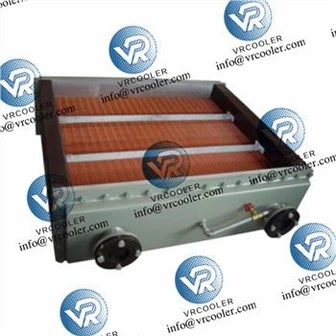
Hydrogen And Air Generator Coolers: Designed And Built For High Performance
Hydrogen and Air Generator Coolers: Designed and Built for High Performance
Coolers for hydrogen and air generator applications represent a specialized engineering domain where thermal efficiency, material compatibility, and safety converge. Unlike standard industrial coolers, these systems must handle unique challenges: hydrogen's small molecular size (which makes leaks difficult to detect), its wide flammability range (4-75% concentration in air), and the demanding thermal loads of modern fuel cells and power generators.
Hydrogen is not only what needs cooling-in some applications, it is the cooling medium. Large AC generators (60 MW+) have used hydrogen as a coolant since the 1930s.
VRCOOLER is a leading supplier of equipment used for cooling new and existing hydrogen- and air-cooled generator installations, including gas and steam turbines powered by combustion or nuclear technologies.

In large-scale power generation, hydrogen coolers are integrated directly into generator housings. The system typically operates as follows:
Hydrogen circulates within the generator enclosure, absorbing heat from stator and field windings
Hot hydrogen passes through hydrogen coolers mounted inside the generator casing
Cooling water flows through the coolers' tubes, removing heat from the hydrogen
Cooled hydrogen returns to the generator to repeat the cycle
System components include:
Redundant hydrogen cooling pumps (one operating, one standby)
Cooling water system (typically using condenser circulating water, with industrial water backup)
Pressure and temperature monitoring at each cooler section
Purity monitoring systems to maintain >90% hydrogen concentration
Material Selection: Stainless Steel vs. Alternatives
For hydrogen service, material selection is critical. While aluminum is common for fuel cell coolers (brazed aluminum construction offers excellent weight-to-performance ratios), hydrogen coolers in power generation often specify stainless steel or carbon steel components designed to resist corrosion and maintain structural integrity under variable thermal conditions.
The choice depends on:
Hydrogen purity requirements - Higher purity demands more inert materials
Operating pressure and temperature - Stainless steel for high-pressure applications
Corrosion environment - Moisture and contaminants can accelerate degradation
Compatibility with de-ionized water - Fuel cell systems require corrosion-resistant materials to prevent ionic contamination