How To Design Air-water Inter/after-coolers For Turbo Compressors
Designing and manufacturing air-water inter/after-coolers for turbo compressors requires a comprehensive understanding of the cooling requirements and specific needs of the compressor system.
Here are some steps to guide you in the process:
1. Determine the cooling requirements: Evaluate the heat load generated by the turbo compressor and the desired outlet temperature of the compressed air. This will help determine the cooling capacity and effectiveness required from the inter/after-cooler.
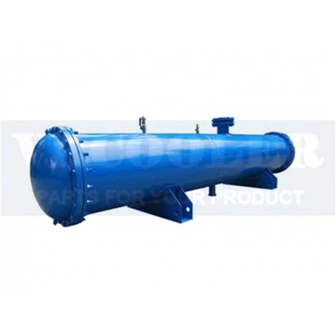
2. Select the appropriate cooling medium: In this case, a combination of air and water is used. The air cools the compressed air in the inter/after-cooler while water removes heat from the air via a heat exchanger. Choose the type of heat exchanger suitable for your application, such as a shell and tube or plate heat exchanger.
3. Sizing and selection: Determine the size and specifications of the inter/after-cooler based on the cooling requirements. Consider factors such as air flow rate, water flow rate, pressure drop, and allowable temperature difference. Proper sizing ensures optimal cooling performance and avoids possible operational issues.

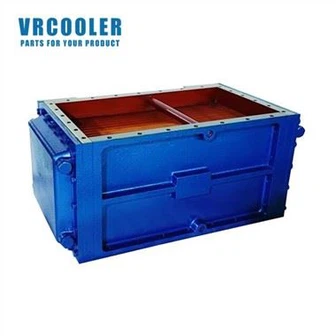
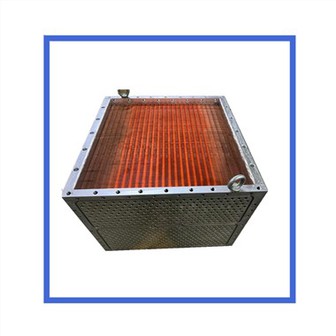
4. Design and construction: Develop the design layout and configuration of the inter/after-cooler, considering factors such as space constraints, air and water connections, and ease of maintenance. Fabricate the inter/after-cooler using suitable materials to withstand operating conditions and prevent corrosion or fouling.
5. Integration with the turbo compressor system: Ensure proper alignment and connection of the inter/after-cooler within the system. The inter/after-cooler should be installed to optimize airflow and allow easy maintenance and cleaning.
6. Testing and quality assurance: Conduct thorough testing to ensure the inter/after-cooler meets the desired performance specifications. This includes checking for leaks, pressure drop, cooling efficiency, and heat transfer effectiveness. Implement quality control measures to ensure reliable and durable operation.
7. Maintenance and servicing: Establish a regular maintenance schedule to clean and inspect the inter/after-cooler. This includes cleaning the air and water passages, removing any deposits or fouling, and checking for any signs of damage or degradation. Follow manufacturer guidelines and industry best practices for optimal performance and longevity.