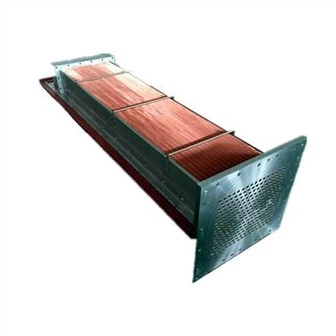
How To Design A Air Compressor After Cooler?
How To Design A Air Compressor After Cooler?
Designing an air compressor aftercooler involves several steps to ensure efficient cooling and optimal performance of the compressed air system.
1. Determine Cooling Requirements:
Calculate the required cooling capacity based on the compressed air flow rate (in cubic feet per minute, CFM) and the desired outlet temperature.
Consider the ambient temperature and humidity to determine the temperature of the cooling medium (air or water) entering the aftercooler.
2. Select the Type of Aftercooler:
Choose between air-cooled and water-cooled aftercoolers based on your specific application requirements and available resources.
Air-cooled aftercoolers use ambient air for cooling, while water-cooled aftercoolers use a water circulation system.
3. Determine Aftercooler Size:
Size the aftercooler based on the maximum flow rate of compressed air the system can produce. Ensure the aftercooler can handle the entire compressed air flow.
Calculate the surface area of the aftercooler tubes required for effective heat exchange. Consider parameters like material, fins per inch, and tube diameter.
Use the formula:
Q=U×A×ΔT, where Q is the heat transfer rate, U is the overall heat transfer coefficient, A is the surface area, and ΔT is the temperature difference between the compressed air and the cooling medium.
4. Material Selection:
Choose materials for the aftercooler that are corrosion-resistant and suitable for the operating conditions.
Common materials include stainless steel, copper, and aluminum due to their good heat transfer properties and corrosion resistance.

5. Air and Water Flow Control:
Design the flow paths for compressed air and cooling medium to ensure efficient heat exchange. Properly sized pipes, valves, and fittings are essential for controlling flow rates and pressure drops.
Use control valves and monitoring instruments to adjust the flow rates and maintain the desired outlet temperature.
6. Installation and Placement:
Install the aftercooler in a location with adequate ventilation and space for air circulation (for air-cooled aftercoolers) or water flow (for water-cooled aftercoolers).
Provide proper insulation for air-cooled aftercoolers to prevent heat loss, and ensure proper drainage for water-cooled aftercoolers.
7. Safety Measures:
Implement safety features, such as pressure relief valves and temperature sensors, to prevent overpressure and overheating conditions.
Consider adding automatic shutdown systems if the aftercooler exceeds safe operating temperatures.
8. Regular Maintenance:
Establish a regular maintenance schedule, including cleaning, inspection, and replacement of components if necessary, to ensure the aftercooler's efficiency over time.
Monitor the outlet temperature and pressure drop across the aftercooler regularly to detect any performance issues.