How Does An EGR Cooler Work
EGR stands for Exhaust Gas Recirculation. The EGR cooler is a heat exchanger fitted on modern diesel generators to cool a portion of hot exhaust gas before sending it back into the engine's intake system. Its core goal is lowering peak combustion temperature to cut NOₓ emissions and meet global emission standards (Tier 4, Euro VI, IMO Tier III).
Without cooling, extremely hot exhaust gas would overheat the intake charge, raise combustion temperatures and defeat the NOₓ reduction effect.
Step-By-Step Working Process
Extract hot exhaust gas A branch pipe from the engine exhaust manifold diverts 10%–30% of hot exhaust gas (600–780°C) away from the main exhaust stream.
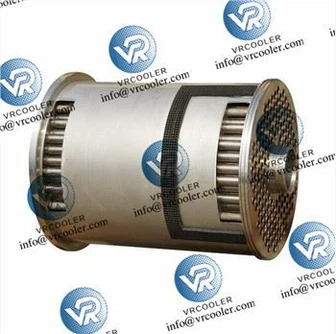
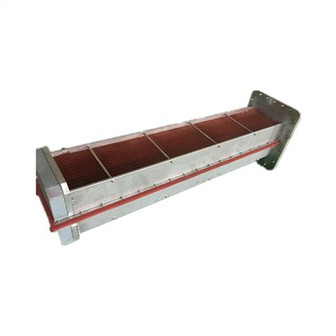
Heat exchange inside the EGR cooler core The hot exhaust flows through internal stainless steel tubes or stacked plates of the cooler. Engine coolant (ethylene glycol antifreeze from the main jacket cooling circuit) circulates around these gas passages in separate sealed channels. Heat transfers from the scorching exhaust gas to the cooler liquid coolant.
Cool exhaust gas output After heat removal, exhaust gas temperature drops sharply to roughly 100–150°C. Cooled exhaust has higher density and contains inert gases (CO₂, water vapor).
Regulate recirculation via EGR valve An electronically controlled EGR valve adjusts the flow volume of cooled exhaust gas based on engine load, speed and temperature signals from the ECU.
Mix with fresh turbo intake air Cooled exhaust blends with clean compressed air from the aftercooler before entering engine cylinders. The inert gas dilutes oxygen inside the combustion chamber, suppressing ultra-high flame temperatures that create nitrogen oxides (NOₓ).
Recover waste heat to main cooling circuit The coolant that absorbed exhaust heat flows back to the generator's radiator or remote air cooler to dissipate waste heat into ambient air, then cycles back to the EGR cooler.