How Does An Air Cooler For A Hydropower Generator Work?
How Does an Air Cooler for a Hydropower Generator Work?
An air cooler for a hydropower generator works based on the principle of heat exchange.
During the operation of a hydropower generator, heat is generated in components such as the stator and rotor windings, as well as the stator core, due to the resistance of the windings and the eddy current loss in the iron core. This heat needs to be dissipated to prevent the generator from overheating and ensure its normal operation.
The hot air inside the generator, which has absorbed the heat from the components, naturally rises due to its lower density. It then enters the air cooler through the inlet duct.
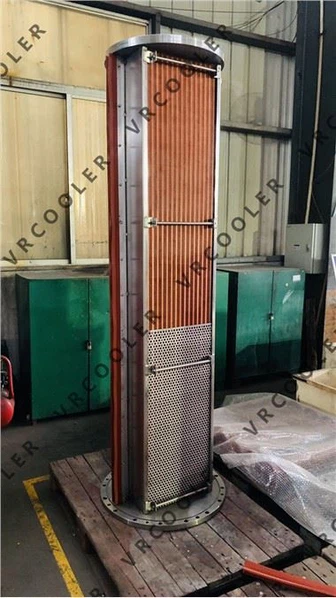
The air cooler consists of a heat exchanger with tube fins. The hot air from the generator flows through the space between the tubes. At the same time, a fan blows ambient air over the outside of the tubes. The heat from the hot air inside the generator is transferred to the ambient air through the tube walls and fins. The fins increase the heat transfer area, enhancing the heat exchange efficiency.
As the ambient air absorbs the heat from the hot air inside the generator, its temperature rises, and the hot air from the generator is cooled. The cooled air then returns to the generator through the outlet duct to continue the cooling cycle.
This process continues continuously during the operation of the hydropower generator. The air cooler continuously dissipates the heat generated by the generator into the ambient air, maintaining the temperature of the generator within a reasonable range and ensuring the safe and stable operation of the generator.