How Does A Generator Cooling System Work?
Generator cooling systems remove heat produced during operation to protect winding insulation, bearings, turbochargers and engine components. The working principle varies by generator type: small diesel/gas backup gensets, marine generators, and large hydrogen-cooled turbo generators (thermal/nuclear power plants).
1. Cooling System For Diesel / Natural Gas Backup Generators (Most Common)
Core Heat Sources
Combustion heat inside engine cylinders
Friction heat from crankshaft, bearings
Hot compressed air from turbocharger
Heat from generator stator & rotor windings
Full Working Cycle
Jacket Water Loop (Engine Main Cooling) A water pump circulates mixed glycol coolant through engine cylinder liners, cylinder heads and exhaust manifolds. Coolant absorbs combustion heat and flows to the radiator / remote air cooler. Ambient air blows across finned tubes to dissipate heat, then cooled liquid returns to the engine.
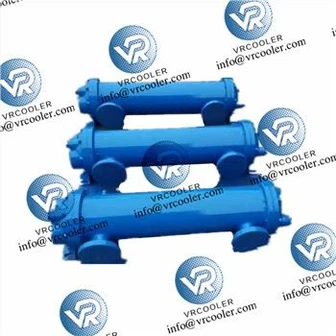
Charge Air Cooling (Intercooler / Aftercooler) Hot compressed air from the turbocharger passes through a shell-and-tube charge air cooler. Cooling water inside tubes lowers intake air temperature, increasing air density to boost power and cut NOx emissions.
Lube Oil Cooling Hot lubricating oil carrying bearing friction heat flows into an oil cooler. Coolant or ambient air cools the oil before it recirculates to lubricate moving parts.
Generator End Air Cooling A built-in fan circulates air inside the generator housing to carry winding heat to an external air cooler, preventing insulation overheating.
Two Layout Options
Compact Radiator: Mounted directly on the engine with axial fans.
Remote Dry Cooler: Separated air-cooled heat exchanger for indoor engine rooms without cooling water supply.
2. Marine Generator Cooling System (Vessel Main & Auxiliary Units)
Dual-circuit design to avoid direct seawater contact with engine metal parts:
Closed Freshwater Inner Loop Glycol freshwater circulates through engine, charge air cooler and oil cooler to absorb heat.
Seawater Outer Loop Seawater pump draws seawater into the marine aftercooler/intercooler shell side, transferring heat from the freshwater loop and discharging warm seawater overboard.
CuNi tube bundles are used to resist seawater salt corrosion and marine organism fouling.
3. Large Hydrogen-Cooled Turbo Generator (200MW–1000MW Thermal / Nuclear Plants)
Hydrogen has much higher heat transfer efficiency than air, used for high-capacity generators.
Working Principle
Hot hydrogen circulates inside the generator frame, absorbing massive heat from stator windings, rotor and iron core.
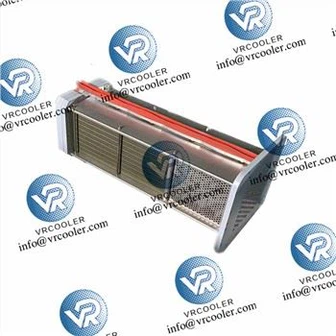
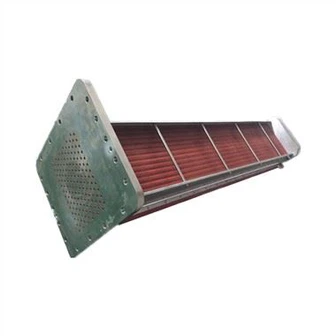
Hot hydrogen flows through the fin-tube hydrogen surface cooler. Cooling water runs inside copper / CuNi tubes and takes away hydrogen heat.
Cool, dense hydrogen flows back into the generator in a closed cycle to continuously control internal temperature.
Supporting Auxiliary Cooling Loops
Stator Water Cooling System: Hollow stator coils use ultra-pure deionized water to directly cool windings; a stator water cooling unit removes heat from the DI water loop.
Seal Oil Cooler: Cools hydrogen-side sealing oil to maintain proper viscosity, forming an oil barrier to stop hydrogen leakage along the generator shaft.
Secondary cooling water loop: Transfers waste heat from hydrogen coolers and seal oil coolers to the plant's circulating water system.

4. Instrument Air Compressor Motor Auxiliary Cooling
For air compressors supporting generator control systems: Internal circulating air inside the motor absorbs winding heat, then passes through a fin-tube air cooler. Cooling water inside tubes cools the air, which recycles back to the motor to avoid overheat shutdown of instrument air supply.
General Core Purpose Of All Generator Cooling Systems
Keep winding insulation within safe temperature limits to extend service life and avoid breakdowns.
Stabilize engine oil viscosity and prevent oil carbonization.
Improve combustion efficiency and reduce exhaust pollutants.
Eliminate hot spots that cause metal fatigue, tube cracking or hydrogen leakage.
Enable long-term continuous full-load operation for standby, marine and power station generators.