How Does A Dry Cooler Work?
How Does a Dry Cooler Work?
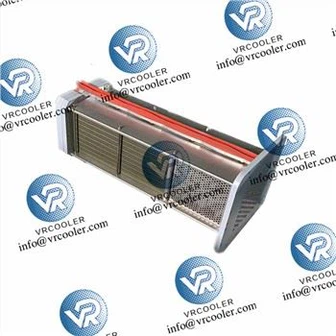
The working principle of a dry cooler is to cool the coolant or oil of the generator set by air convection. The core component is the heat exchanger finned tubes. The coolant or oil flows through the tubes and the heat is transferred to the fins through the metal tube walls, and the air flows through the fins to remove the heat. Dry coolers typically use high-powered fans to force the air to flow to ensure adequate air flow and heat transfer efficiency. The air absorbs heat and carries it away as it passes through the finned tubes, cooling the liquid or oil inside.
A distinctive feature of the dry cooler is that it does not rely on evaporative cooling by water, but is based entirely on air and heat transfer, which gives it an important advantage in arid or water-scarce areas. Changes in air temperature can affect the performance of a dry cooler, especially at high ambient temperatures, where the cooling efficiency of the dry cooler decreases. To address this issue, modern dry coolers often use a variety of design optimisations, such as increasing the heat transfer area, optimising the fan layout, and using low resistance, high efficiency finned tube materials.
In addition, the control system of the dry cooler can automatically adjust the fan speed and coolant flow rate according to the environmental conditions to maintain a stable cooling effect. This automated control system not only ensures that the gas generator sets maintain optimal temperatures under different operating conditions, but also saves energy and reduces operating costs.