How Does A Boat Cooling System Work
How Does A Boat Cooling System Work?
A boat cooling system typically operates in the following manner:
The engine generates heat as it runs. A coolant, usually a mixture of water and antifreeze, is circulated the engine to absorb this heat. A water pump is responsible for moving the coolant through the engine and into a heat exchanger.
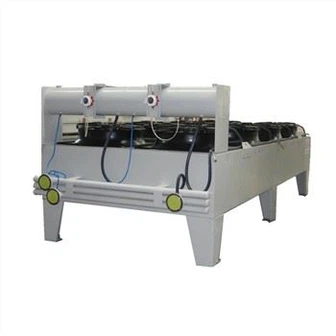
In a marine environment, the heat exchanger is often in contact with seawater. The hot coolant passes through the heat exchanger, and the heat is transferred to the seawater, which is then discharged back into the ocean.
The cooled coolant exits the heat exchanger and is recirculated back to the engine to continue cooling it. Some systems may also have a thermostat that regulates the coolant flow based on the engine's temperature.
To give an example, imagine a small pleasure boat. As the engine runs, the cooling system continuously circulates coolant to keep the engine from overheating. The seawater drawn in cools the coolant effectively, allowing the engine to operate smoothly.
Proper maintenance of the cooling system is essential. This includes checking the coolant levels, inspecting the water pump and hoses for leaks, and ensuring the heat exchanger is clean and free of debris. Any issues with the cooling system can lead to engine problems and potential breakdowns on the water.