How Do You Cool A Ship Engine?
How do you cool a ship engine?
The cooling of a ship engine is typically achieved through a closed loop cooling system that uses a liquid coolant, usually a mixture of fresh water and antifreeze, to remove heat from the engine. The coolant absorbs heat from the engine and is then cooled by a heat exchanger, which transfers the heat to a separate seawater circuit. The seawater is then discharged back into the sea through the ship's cooling water discharge system.
The closed loop cooling system consists of several components, including:
Engine coolant pump: This pump circulates the coolant through the engine's cooling system.
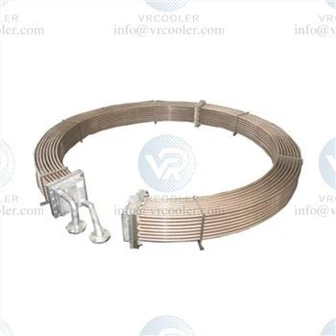
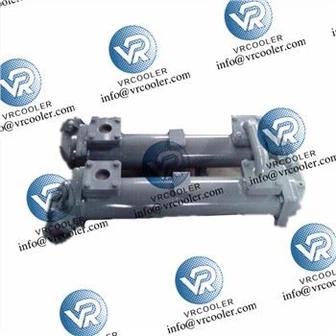
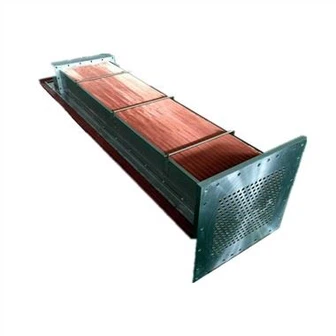
Heat exchanger: This component transfers heat from the engine coolant to the seawater.
Expansion tank: This tank allows the coolant to expand and contract as it heats up and cools down.
Thermostat: This component regulates the flow of coolant to maintain the engine's operating temperature.
Hoses and fittings: These components connect the various parts of the cooling system.
The cooling system should be regularly inspected and maintained to ensure its proper operation. Overheating of the engine can cause damage to the engine components and can lead to unexpected downtime. By keeping the engine cooler, the cooling system can reduce the risk of engine overheating and increase the reliability of the engine.