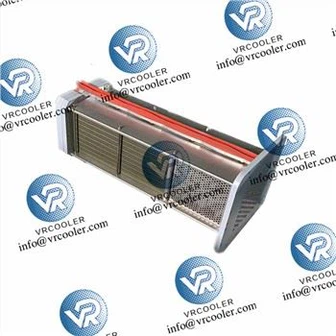
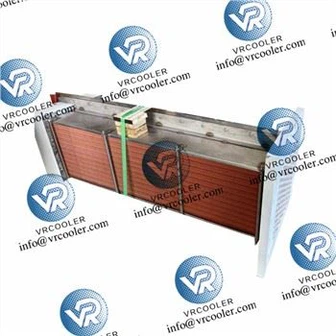
High And Low Temperature Integrated Dry Coolers in Coal-Fired Power Plants
High and Low Temperature Integrated Dry Coolers in Coal-Fired Power Plants
In coal-fired power plants, HLT integrated dry coolers are used to treat the high-temperature exhaust gases generated by this industrial process.
Treatment of combustion off-gases: In coal-fired power plants, the combustion off-gases from the combustion of coal are typically high temperature. An HLC integrated dry cooler can be used to treat these high temperature exhaust gases, cooling them to a temperature suitable for further treatment or venting.
Improved energy recovery efficiency: HLC dry coolers can be designed to recover thermal energy from high temperature exhaust gases. This thermal energy can be used to provide additional power generation or used in other industrial processes, thus improving overall energy recovery efficiency.
Desulphurisation: Coal-fired power plants often require desulphurisation of the exhaust gases from the coal combustion process to reduce sulphur dioxide emissions. High and low temperature integrated dry coolers can play a role in the desulphurisation process by helping to treat the desulphurised liquid and exhaust gases.

Controlling Coal Combustion Process Temperature: In coal-fired power plants, some critical equipment or systems may need to be kept at relatively low temperatures to ensure their proper operation. High and low temperature integrated dry coolers can be used to cool the media or exhaust gases in these systems to maintain proper operating temperatures.
Reducing Exhaust Gas Temperatures to Comply with Emission Standards: Coal-fired power plants are required to meet emission standards under environmental regulations. By using an HVAC unit, the temperature of the exhaust gases can be effectively reduced to comply with the relevant emission requirements.
The exact application of the HVAC unit in a coal-fired power plant will be influenced by the specific plant configuration, technical requirements and environmental regulations. They are designed and used to improve efficiency, reduce emissions and maximise energy recovery in the power generation process.