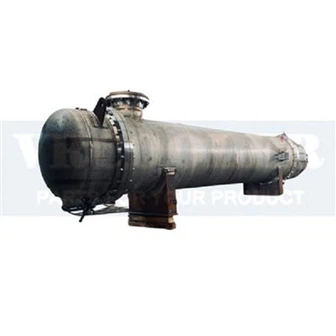
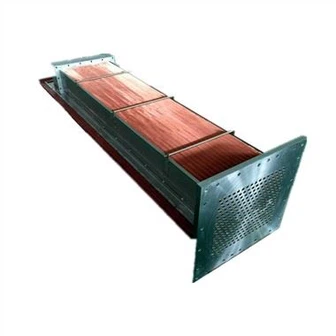
High And Low Temperature Dry Coolers For Diesel Generators
1, Core design logic: High and low temperature dual cycle heat exchange requirements for diesel generators
The cooling system of diesel generators is not a single circuit, but is divided into high-temperature cooling circuit and low-temperature cooling circuit according to the temperature requirements of the heat exchange medium and the heat dissipation power. The temperature, flow rate, and heat dissipation load of the cooling liquid in the two circuits differ significantly. The dry-type cooler branch design can achieve temperature matching heat exchange, avoiding the efficiency waste and insufficient temperature control accuracy of single circuit cooling. This is the core design point for its adaptation to diesel generators.
1. High Temperature Circuit
Cooling objects: core heated components such as diesel engine cylinder block, cylinder head, exhaust manifold, etc;
Coolant working condition: The inlet water temperature is about 85-95 ℃, the outlet water temperature is controlled at 75-85 ℃, and the heat dissipation load accounts for 60% -70% of the total heat dissipation of the generator;
Core requirement: High heat exchange efficiency, able to quickly remove high-temperature waste heat from the engine, ensure stable working temperature of the cylinder block, and avoid overheating and cylinder pulling.
2. Low Temperature Circuit
Cooling objects: engine intercooler (charge air cooling), oil cooler, generator stator/rotor, hydraulic system, etc;
Coolant operating conditions: The inlet water temperature is about 45-60 ℃, the outlet water temperature is controlled at 35-45 ℃, and the heat dissipation load accounts for 30% -40%;
Core requirements: High cooling accuracy, insufficient cooling of the intercooler can lead to high intake temperature, reducing engine power and fuel efficiency; Insufficient oil/stator cooling can accelerate component wear and affect the insulation performance of the generator.
Characteristics of branch matching for high and low temperature dry coolers
The two circuits in the dry cooler consist of independent finned tube cores and independent air ducts (or separate compartments with the same air duct), which do not interfere with each other. They can be designed separately for heat transfer coefficient, heat transfer area, and wind speed to achieve:
High temperature circuit: designed with large heat exchange temperature difference and high heat dissipation power, suitable for the rapid dissipation of high-temperature waste heat from the engine;
Low temperature circuit: designed with small temperature difference and high-precision temperature control to avoid excessive cooling of the coolant (such as condensation caused by low temperature of the intercooler coolant), ensuring the stability of auxiliary components.
2, The core structure of high and low temperature dry coolers for diesel generators
The equipment is a modular structure with a modular layout suitable for on-site installation and diesel generators. It mainly consists of high and low temperature dual heat exchange cores, fan components, frames, coolant inlet and outlet headers, temperature control systems, and protective devices. Some high-power models may add flow deflectors and noise reduction devices (suitable for cabin/noise reduction unit requirements). The core component functions are as follows:
Dual heat exchange core: The core heat exchange unit consists of a finned tube structure (base tube+fins) for both high and low temperature cores, with the base tube carrying coolant and the fins carrying air; The two core bodies are independently manufactured and collected separately to avoid coolant flow. The materials selected are carbon steel (conventional), 304 stainless steel (anti-corrosion), and copper (high-efficiency heat exchange, low power) according to the working conditions.
Fan components: mostly axial flow fans, divided into fixed frequency/variable frequency, linked with the generator temperature control system; Top blowing/side blowing can be used to ensure that the air passes vertically over the fins and improve heat transfer efficiency; The high-power model adopts a modular design with multiple fans, which can start and stop as needed, save energy, and adapt to variable load conditions.

Header and pipeline: High temperature/low temperature circuits are equipped with inlet header and outlet header respectively, and both inlet and outlet ports are equipped with flange+thermometer/pressure gauge interfaces for on-site docking and working condition monitoring; Insulate the pipeline to reduce environmental heat exchange.
Temperature control and control module: integrated temperature sensor (PT100), pressure sensor, fan frequency converter, control cabinet, can achieve automatic temperature control: when the coolant temperature exceeds the set value, the fan will automatically start/speed up; When the temperature drops to the set value, the fan slows down/stops; Support linkage with the overall control system of diesel generators to achieve remote monitoring and fault alarm.
Framework and Protection: Steel structure frame, anti-corrosion painting (galvanized+spray painted for outdoor models), suitable for harsh environments such as outdoor, high salt spray at sea, and high dust in mines; A dust-proof net can be installed on the outer side of the core to prevent debris from entering the gaps between the fins and avoid a decrease in heat transfer efficiency.
3, Core performance requirement: Adapt to the operating characteristics of diesel generators
The operating characteristics of diesel generators are frequent start stop, variable load operation (idle/rated power/overload), complex working conditions (outdoor/high altitude/high salt spray/high dust), and the cooling system directly determines the power output, fuel efficiency, and operating life of the generator. Therefore, there are clear and strict requirements for the performance of high and low temperature dry coolers, with the core as follows:
1. Adapt to variable load heat dissipation, and dynamically adjust heat exchange efficiency with load
From idle speed (20% load) to rated power (100%), the cooling load of a diesel generator will increase by 3-5 times. It is required that the cooler fan be frequency controlled to achieve precise matching between heat exchange power and generator cooling load, avoiding energy waste caused by the "big horse pulling small car" fan, while ensuring that the coolant temperature is stable within the full load range.
2. High environmental adaptability and tolerance to harsh working conditions
High altitude adaptation: In high-altitude areas, the air density is low and the heat transfer efficiency decreases. The cooler needs to increase the heat transfer area/increase the fan pressure to ensure that the heat dissipation requirements can still be met within an altitude of 4000m;
High temperature environment adaptation: In high-temperature areas with an ambient temperature of 45 ℃ (extreme 50 ℃), it is necessary to ensure that the coolant can effectively cool down to avoid the generator running at reduced power due to high ambient temperatures;
Anti corrosion/dust-proof adaptation: Offshore platforms/coastal areas require 316L stainless steel core and galvanized anti-corrosion frame to resist salt spray corrosion; Efficient dust-proof nets and easily detachable dust cleaning structures need to be installed in mining/dusty areas for convenient daily maintenance.