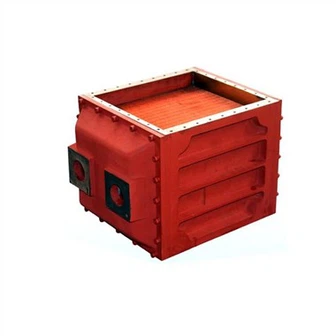
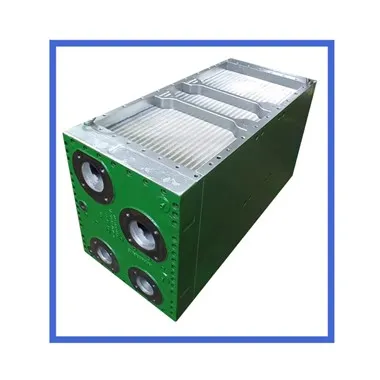
Heat Exchanger Cool The Water Oil Condenses In A Burnt Oil Refinery Of Engines
In a burnt oil refinery or waste oil recycling facility, a heat exchanger is commonly used to cool the water that comes into contact with hot oil during the condensation process. The primary goal is to efficiently remove heat from the hot oil, causing it to condense and convert into a liquid state for further processing. Here's how a heat exchanger is typically employed in this context:
Shell and tube heat exchangers are commonly used in burnt oil refineries.
Process Description:
Hot Oil Inlet: Hot burnt or waste oil from the refining process is introduced into one side of the heat exchanger.
Cooling Water Inlet: Cooling water, typically at a lower temperature, is circulated into the other side of the heat exchanger.
Heat Transfer: Heat is transferred from the hot oil to the cooling water through the heat exchanger. This causes the hot oil to lose thermal energy and subsequently cool down. Meanwhile, the cooling water absorbs the heat from the oil and gets heated in the process.
Condensation: As the hot oil loses heat, it may reach its dew point and start to condense, turning into a liquid state. The temperature of the cooling water is controlled to ensure effective condensation.
Separation: The condensed oil is separated from the cooling water. This usually involves a separation tank or vessel where the oil is collected at the top, and the cooled water is discharged from the bottom.