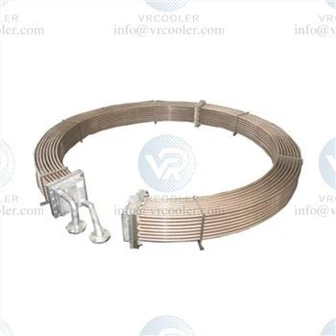
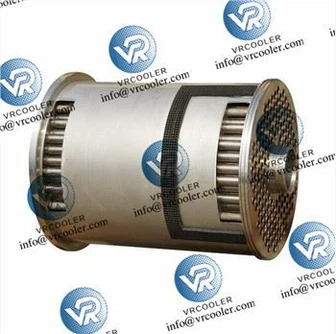
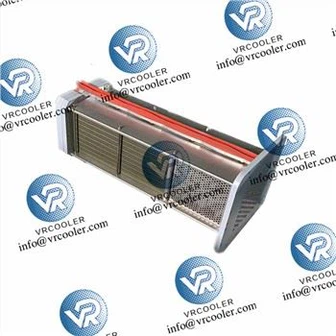
Generator Heat Recovery System
Generators generate a large amount of heat during operation, which is usually taken away in the form of cooling water or air through the cooling system. A heat recovery system is a heat exchanger in the cooling circuit, which is utilized to transfer heat from the cooling medium to another fluid (e.g., hot water, thermal oil, etc.), thus realizing the recovery of heat. The recovered heat can be used to preheat intake air, heat water or space heating, etc., in order to improve energy utilization efficiency and reduce energy waste.
System Components
Heat exchanger: It is the core component of the heat recovery system and its function is to realize the transfer of heat from the cooling medium to the heated fluid. Common types of heat exchangers are shell and tube, plate type, etc.. Shell and tube heat exchanger structure is strong, can withstand high pressure and temperature, but the heat transfer efficiency is relatively low; plate heat exchanger heat transfer efficiency, compact structure, but limited pressure resistance.
Circulation pump: used to drive the cooling medium and heated fluid circulation in the system to ensure the continuous transfer of heat. Circulation pump selection needs to be based on the system's flow and head requirements to determine, to ensure that sufficient power can be provided to maintain the circulation of fluids.
Control system: real-time monitoring of the temperature of the cooling medium and the heated fluid through temperature sensors and other equipment, according to the set temperature value to automatically adjust the speed of the circulation pump, the valve opening of the heat exchanger, etc., in order to achieve accurate control of the heat recovery process, to ensure the stable operation of the system and high efficiency heat recovery.
Heat storage device: It is used to store the recovered heat to meet the heat demand at different times. The heat storage device can be a hot water tank, a heat storage tank, etc. Its capacity needs to be determined according to the actual heat consumption and the generator's operation time.

Advantages
Improved energy utilization: Waste heat that would otherwise be wasted is recycled and reused, e.g., for heating buildings, hot water supply or preheating processes in industrial production, thus reducing the need for other energy sources and lowering energy consumption and operating costs.
Environmental benefits: As the need for additional energy is reduced, there is a corresponding reduction in the burning of fossil fuels, lowering the emission of greenhouse gases such as carbon dioxide and contributing to environmental protection and sustainable development.
Extended generator life: effectively reduces the operating temperature of the generator and prevents its components from aging and being damaged due to overheating, thus extending the generator's service life and reducing the frequency of equipment maintenance and replacement.
Application fields
Industrial field: In factories, the generator heat recovery system can provide heat for the heating process in the production process, such as preheating raw materials, heating reactors, etc., improving the energy efficiency of industrial production.
Commercial buildings: Used in air conditioning systems, hot water supply systems, etc. of commercial buildings such as shopping malls, hotels, office buildings, etc., to provide the required heat for the buildings and reduce the energy costs of the buildings.
Data centers: Generators in data centers usually need to run continuously, generating a large amount of heat. The heat recovery system can recover this heat for heating the environment of the data center's machine room or domestic water, realizing the recycling of energy.