Generator Coolers in Hydro Power Generation
Generator Coolers in Hydro Power Generation
In hydropower generation, generators are used to convert mechanical energy from flowing water into electrical energy. These generators can generate a significant amount of heat during their operation. Cooling systems are crucial to maintaining the optimal operating temperature and efficiency of the generators.
Here's how generator coolers are commonly used in hydropower generation:
1. Water Cooling Systems:
Water-to-Water Heat Exchangers: Water from the hydro system can be circulated through water-to-water heat exchangers. The generator's heat is transferred to the circulating water, which carries the heat away, keeping the generator cool.
River or Lake Water Cooling: Some hydropower plants use the nearby river or lake water directly for cooling. Water is pumped through the generator, absorbing heat, and then released back into the water source.

2. Air Cooling Systems:
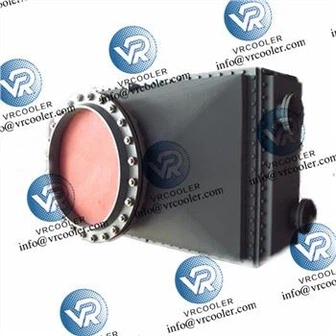
Air-to-Water Heat Exchangers: Air-cooled systems use fans to blow air over coils containing a cooling fluid. This fluid absorbs the heat from the generator and is then pumped through a water-to-water heat exchanger.
Radiators and Fans: Radiators can be attached to the generator, and fans are used to draw air over the radiator's surface, cooling the circulating fluid.

3. Oil Cooling Systems:
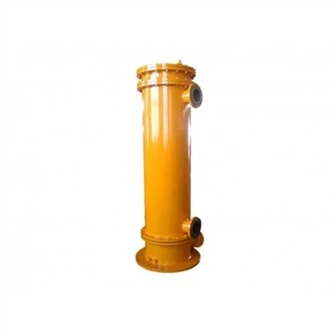
Oil-to-Water Heat Exchangers: Generators often use oil as a coolant. Oil circulates through the generator to absorb heat and is then pumped through a water-cooled heat exchanger to dissipate the heat into the surrounding water.
Oil-to-Air Heat Exchangers: Alternatively, oil can be cooled using air-cooled heat exchangers where fans blow air over the coils to cool the oil.