Emergency Generator Radiator in Cooling System Of Diesel Generator
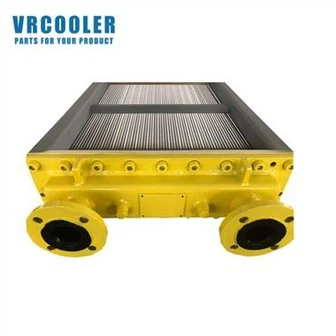
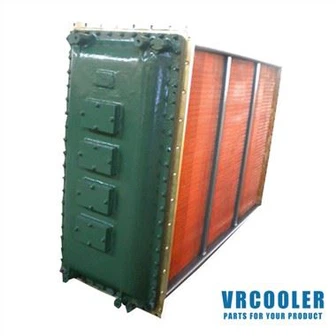
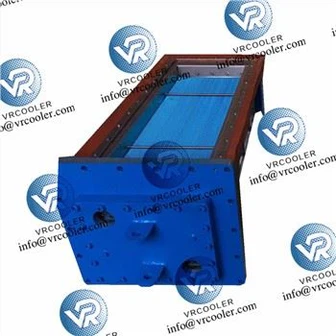
An emergency generator radiator is a crucial component of the cooling system in a diesel generator, particularly for those used as backup power sources. It's designed to transfer heat generated by the engine to the surrounding environment, preventing overheating and ensuring the generator functions reliably during power outages.
Function:
The radiator in a diesel generator acts as a heat exchanger, transferring heat from the engine coolant to the air. This process keeps the engine temperature within a safe operating range, preventing damage from overheating.
Importance for Emergency Generators:
Emergency generators, often used in critical facilities like hospitals and data centers, need to be reliable. A properly functioning radiator is essential for ensuring the generator can start and operate at full capacity when needed during a power outage.
Cooling Systems:
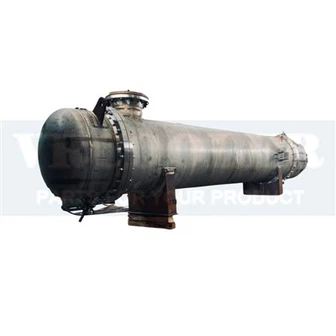
While most emergency generators utilize a radiator-based cooling system, larger or remotely located generators may use remote radiator systems or other heat exchangers like shell and tube.
Maintenance:
Regular maintenance of the radiator, including flushing and coolant replacement, is vital for optimal performance and longevity. Consult the generator's manual for specific maintenance recommendations.
Types:
Radiators for emergency generators can be engine-mounted or remote, depending on the generator's size and installation. Remote radiators are often used for larger, indoor installations.
Components:
Key components include the radiator core, fan, and coolant hoses, all working together to efficiently transfer heat.
Considerations for Remote Radiators:
When specifying a remote radiator, factors like airflow, pressure drop, and actuator type for dampers need careful consideration.