Dry Coolers Are Used in Commercial HVAC Systems
The following are the key details of using dry coolers in commercial HVAC systems:
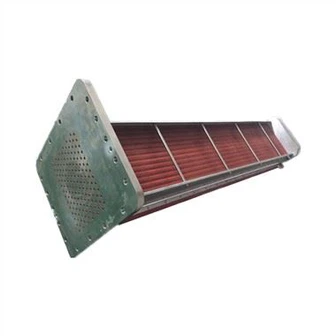
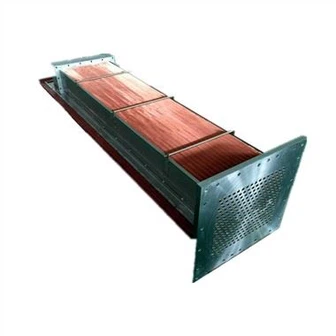
Working principle: The dry cooler relies on a finned tube heat exchanger and uses a fan to blow cold air through the tube bundle, removing heat from the hot water flowing inside the tube (such as from the condenser of a chiller unit, data center servers, etc.), thereby achieving cooling of circulating cooling water.
Applicable scenarios:
Regional cooling: suitable for high-performance cooling systems that require low maintenance costs.
Data center/data center: Provides efficient cooling media, especially suitable for scenarios using natural cooling sources (Free Cooling).
Commercial buildings, such as shopping centers, office buildings, and hospitals, use HVAC air conditioning systems as an alternative or supplement to cooling towers.

Core advantages:
Water conservation and environmental protection: As a closed system that does not involve water evaporation, it does not consume water and is an ideal choice for arid areas and areas with strict water consumption control.
Easy maintenance: avoids the problems of scale and sludge caused by water circulation in the cooling tower, and significantly reduces equipment maintenance costs.
Efficient and energy-saving: Combined with modern control components and variable frequency fans, the cooling capacity can be dynamically adjusted in real-time based on environmental temperature and load.
Configuration optimization: Modern dry coolers, such as Evapco's eco Air series, are typically equipped with efficient fin designs, support single point power wiring, and intelligent controllers for easy installation and operation.