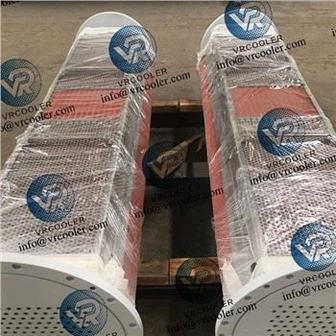
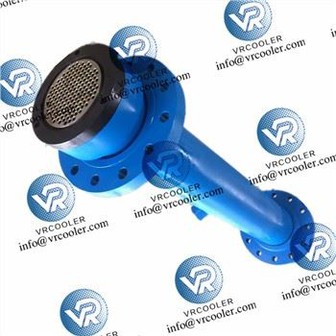
Dry Cooler For Gas Generators Cooling
Dry Cooler for Gas Generators Cooling
How Dry Cooler Works with a Gas Generator
Heat Generation: The gas engine runs, converting fuel into electricity and producing a significant amount of waste heat (in the engine block, cylinder heads, and lubrication oil).
Heat Capture: A coolant pump circulates the water-glycol mixture through passages in the engine block and cylinder heads, absorbing this waste heat.
Heat Rejection: The hot coolant is pumped to the dry cooler.
Air Cooling: One or more large, electrically driven fans force ambient air across the tubes of the dry cooler. The heat from the coolant is transferred through the tube walls and fins to the air.
Coolant Return: The now-cooled coolant is pumped back to the engine to repeat the cycle.
This process is continuous and is managed by a thermostat to maintain the engine at its optimal operating temperature.
The dry cooler is installed outside the building or in a separate location from the generator.
Long pipes connect the generator's coolant circuit to the remote cooler.
Advantage: Keeps heat rejection entirely outside, dramatically reducing the building's ventilation and air conditioning (HVAC) load. This is crucial for large generators in confined spaces.