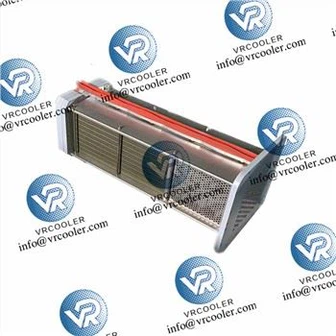
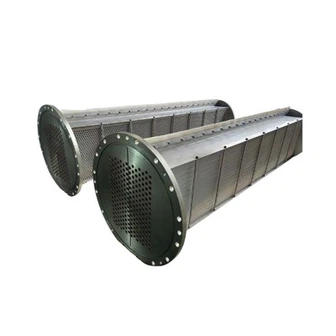
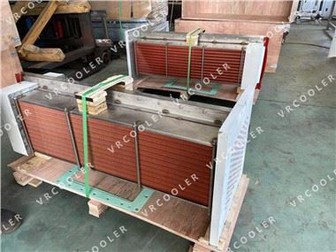
Designing And Manufacturing Generator Engine Waste Heat Recovery Heat Exchangers
Designing and Manufacturing Generator Engine Waste Heat Recovery Heat Exchangers
There are many factors to consider when designing and manufacturing a generator engine waste heat recovery heat exchanger:
Heat load and temperature range:
Accurately assess the total amount of waste heat generated by the engine as well as the temperature level to determine the heat exchange capacity of the heat exchanger and the temperature limits it can withstand.
For example, large diesel generators typically produce more waste heat and at higher temperatures than small petrol generators.
Working Fluid Characteristics:
Understand the physical properties of the working fluid involved in the heat exchange process (e.g., coolant, exhaust gas, etc.), including specific heat capacity, viscosity, and thermal conductivity.
Different working fluids have an important influence on the material selection and structural design of the heat exchanger.
Pressure tolerance:
Ensure that the heat exchanger is able to withstand the pressure fluctuations and high-pressure environments generated during engine operation.
This is critical to ensure the structural integrity of the heat exchanger and prevent leakage.
Space constraints:
Consider the space available at the installation location and design a heat exchanger shape and size that is compact and fits the space requirements.
In some tight nacelles or equipment rooms, space constraints may place stringent demands on the design.
Material Selection:
Select materials with high temperature and corrosion resistance and good thermal conductivity, such as stainless steel and special alloys.
The durability of the material should be able to adapt to long-term high temperature and chemical corrosion environment.
Heat exchange efficiency:
Heat exchange efficiency is improved by optimising the structure of the heat exchanger (e.g. increasing the heat exchange area, improving the fluid flow path).

An efficient design maximises waste heat recovery.
Maintenance and Cleaning Convenience:
Design the structure for easy disassembly and cleaning to facilitate regular maintenance and removal of dirt, carbon deposits, etc.
This helps maintain the performance of the heat exchanger and extends its service life.
Cost Effectiveness:
Control material costs, manufacturing process costs and installation costs while meeting performance requirements.
Balance initial investment and long-term operating costs.
Environmental Requirements:
Ensure that the design and manufacturing processes comply with relevant environmental regulations and emission standards.
Reliability and Safety:
Strict quality control and testing to ensure that the heat exchanger in the long-term operation of the reliability and safety.
Prevent energy waste, environmental pollution and even safety accidents caused by failure.