Dry Cooler ORC System: Water-Free Waste Heat Recovery
Amidst the global push for carbon neutrality, the combination of Dry Coolers and ORC (Organic Rankine Cycle) technology has emerged as a game-changing solution for industrial energy efficiency. This integrated system addresses the dual challenges of water scarcity and low-grade waste heat utilization, offering a sustainable path for sectors like manufacturing and data centers.

1. How It Works
The system operates in a closed loop:
1. Heat Input: Low-temperature waste heat (80-150°C) heats a low-boiling organic fluid in the evaporator.
2. Power Generation: The vaporized fluid drives an expander to generate electricity.
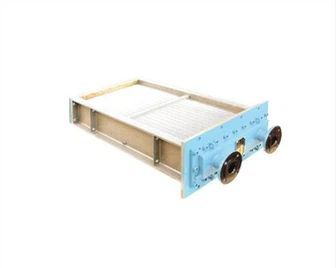
3. Water-Free Cooling: Instead of using water towers, a Dry Cooler uses ambient air to condense the vapor back into a liquid.
4. Recirculation: The fluid is pumped back to the evaporator to repeat the cycle.
2. Key Advantages
• Zero Water Consumption: Dry Coolers use only air, eliminating the need for cooling towers and saving millions of gallons of water annually. This is critical for arid regions or areas with strict water regulations.
• High Efficiency: Specifically designed for low-grade heat (a range often wasted), the system converts otherwise lost energy into usable electricity, improving overall plant efficiency.
• Low Maintenance: The closed-loop design prevents scaling, corrosion, and algae growth. Dry Coolers have fewer moving parts than wet towers, reducing upkeep costs.
• Environmental Compliance: Eliminates water discharge and thermal pollution, while reducing reliance on fossil fuels for power.
3. Typical Applications
• Industrial Plants: Recovering waste heat from exhaust gases or process streams in cement, steel, and chemical factories.
• Data Centers: Pairing with liquid cooling systems to reuse server heat, significantly lowering PUE (Power Usage Effectiveness).
• Renewable Energy: Utilizing heat from geothermal sources or biomass combustion where water is not readily available.
• Remote Locations: Providing power in off-grid mining sites or islands where water is scarce.
4. Future Outlook
As energy costs rise and environmental rules tighten, the Dry Cooler ORC system is becoming essential for businesses aiming to cut costs and reduce their carbon footprint. Its ability to operate without water makes it a particularly valuable asset in the transition to a more sustainable future.