Core Cooling Guarantee Of MAN Gas Generator Set With High And Low Temperature Radiators
The MAN gas generator set adopts a high and low temperature dual circuit independent cooling design, which is due to the differences in heat exchange requirements of different core components of the unit: the engine cylinder block, cylinder head and other core working components generate a large amount of heat during operation, requiring a high-temperature circuit to achieve efficient heat dissipation; After intercooling, precision components such as the intake, oil, and EGR system have more stringent requirements for operating temperature, requiring precise temperature control through a low-temperature circuit to avoid abnormal temperature affecting combustion efficiency and component life. The high and low temperature radiators are respectively matched with these two circuits to form a cooling system that performs its own duties and cooperates with each other, ensuring that all components of the unit are always in the optimal working temperature range.
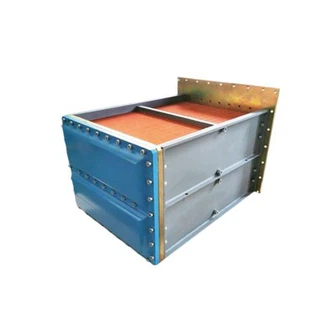
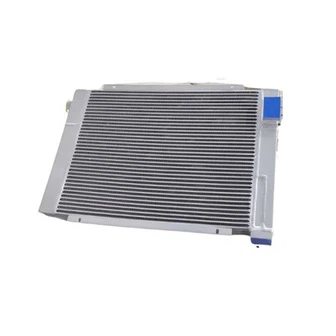
As the core of the main cycle cooling of MAN gas generator sets, the high-temperature radiator is mainly responsible for the heat dissipation and cooling of the engine cylinder block and cylinder head. Its heat exchange performance directly determines whether the unit can avoid overheating and shutdown. The typical operating temperature range of this circuit is 85-95 ℃ for inlet water and 75-85 ℃ for outlet water. The radiator needs to have the characteristics of high temperature resistance and high heat transfer efficiency, while also considering structural strength. In terms of material selection, high-temperature radiators are often made of copper or high thermal conductivity aluminum alloys, which are suitable for the heat exchange requirements of MAN engines under high-temperature conditions. This ensures that the coolant can quickly exchange heat with the air through the radiator after absorbing heat from the cylinder block, and the outlet water temperature is not lower than 75 ℃, preventing cavitation in the circuit and protecting circulating components such as water pumps. In addition, high-temperature radiators need to be matched with the heat exchange capacity corresponding to the power of the unit. Usually, their heat dissipation load is about 25-30% of the rated power of the engine, and they need to be adjusted according to the ambient temperature of the unit application. For example, in high-temperature environments exceeding 40 ℃, high-temperature radiators with large heat exchange areas or high air flow fans should be selected to avoid a decrease in heat dissipation efficiency due to high ambient temperatures.
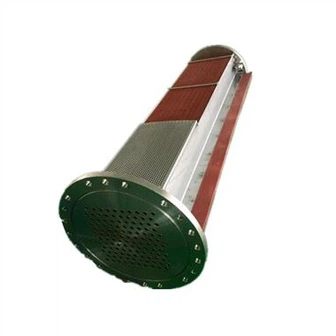
The low-temperature radiator focuses on the precision auxiliary cooling of MAN gas generator sets, covering key circuits such as the intake, oil, EGR system, etc. after intercooling. Its core function is to ensure the combustion efficiency and component reliability of the unit through precise temperature control. The conventional operating temperature of the low-temperature circuit is 45-55 ℃ for inlet water and 35-45 ℃ for outlet water. The radiator needs to have precise temperature control capabilities, and the outlet water temperature should not be lower than 35 ℃ to prevent water vapor in the air from condensing on the surface of precision components, causing component corrosion or abnormal operation. Compared with high-temperature radiators, low-temperature radiators require higher heat transfer accuracy and are mostly made of corrosion-resistant aluminum alloys. In some harsh working conditions, stainless steel materials may be used. At the same time, the circuit design needs to take into account the low pressure drop characteristics to avoid increasing unit energy consumption due to high coolant flow rate. The heat dissipation load of the low-temperature circuit is about 10-15% of the rated power of the engine. Although the heat exchange load is lower than that of the high-temperature circuit, it is the key to ensuring efficient combustion of the unit. If the low-temperature radiator has poor heat dissipation effect, it will lead to high intake temperature and decreased oil viscosity, resulting in a decrease in unit power and intensified component wear.

The stable operation of high and low temperature radiators also requires full adaptation to the application environment of MAN gas generators, and targeted configuration for extreme weather and complex working conditions. In extremely cold environments below -10 ℃, radiators are prone to problems such as condensation and freezing of water vapor, as well as cracking of coolant pipelines. It is necessary to add 30-50% concentration of ethylene glycol antifreeze to the cooling circuit, and an electric heat tracing device can be equipped to prevent damage to the radiator core due to freezing; When starting the unit, it is necessary to gradually increase the coolant temperature through the temperature control system to avoid damage to the radiator and engine components due to excessive thermal stress. In extremely hot environments exceeding 40 ℃ or special scenarios such as deserts and tropical rainforests, high temperature, high humidity, sandstorms, and salty environments can cause a decrease in heat transfer efficiency, core blockage, or corrosion of the radiator. In this case, it is necessary to choose a high-temperature resistant radiator that is suitable for ambient temperatures above 50 ℃, strengthen the coordinated cooling of the fuel circuit, and equip the radiator with an efficient dust-proof filter. Regularly clean the sand and debris between the fins to prevent blockage of the cooling air duct; For coastal high salt spray environments, anti-corrosion coating treatment should be applied to the radiator frame and core to avoid oxidation and corrosion of metal components.
In the selection and matching of high and low temperature radiators, it is necessary to clarify the specific model, rated power, cooling circuit flow and pressure parameters of MAN gas generator sets, and comprehensively consider factors such as the application environment and altitude of the units. MAN itself does not produce original radiators. The supporting radiators on the market are all customized by professional heat exchange equipment manufacturers based on MAN engine parameters. When selecting, priority should be given to brands with experience in supporting cooling systems for gas generator sets to ensure that the heat exchange area, air volume, pressure drop of the radiators are accurately matched with the dual circuit cooling requirements of MAN units. If the radiator selection is improper, such as a small heat exchange area or materials that are not temperature resistant, it can lead to insufficient cooling of the unit and frequent overheating shutdown; If the pressure drop is too large, it will increase the energy consumption of the cooling circuit and reduce the overall power generation efficiency of the unit.
In summary, the high and low temperature radiator is the "heart" of the dual circuit cooling system for MAN gas generators. Its precise temperature control and efficient heat exchange capability are the core guarantees for the unit to release rated power, adapt to complex environments, and achieve long-term stable operation. In the application and maintenance of MAN gas generator sets, only by scientifically selecting, accurately adapting, and regularly maintaining high and low temperature radiators based on the operating conditions and environmental characteristics of the units, can the advantages of high efficiency, low emissions, and long maintenance cycles of MAN gas generator sets be fully utilized, allowing the cooling system and power generation system to work together and provide reliable and stable power output for various power generation scenarios.