Centrifugal Air Compressor Heat Recovery Industrial Energy Saving
1, Sources and characteristics of waste heat from centrifugal air compressors
The waste heat of centrifugal air compressors mainly comes from three aspects:
1. Heat generated during the compression process
During multi-stage compression, the temperature of air will sharply increase, and the exhaust temperature can usually reach 80-150 ℃, which accounts for the main part of the total waste heat of the air compressor.
2. Heat carried away by lubricating oil
Lubricating oil absorbs a large amount of heat during the cooling process of bearings, gearboxes, and rotors. The oil temperature is generally between 60-90 ℃, making it a high-quality medium to low temperature heat source.
3. Heat dissipation of inter stage cooler and post cooler
These coolers not only lower the temperature of compressed air, but also release a large amount of heat energy into the environment.
These waste heat have the characteristics of temperature stability, heat concentration, and strong continuity, making them very suitable for recycling and utilization through heat exchange equipment.

2, Working principle of heat recovery in centrifugal air compressor
The core of the centrifugal air compressor heat recovery system is to transfer the waste heat generated by the air compressor to the medium that needs to be heated (usually water or ethylene glycol solution) through a heat exchanger, achieving the secondary utilization of thermal energy.
The typical process is as follows:
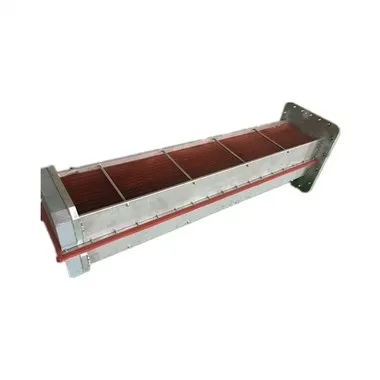
1. High temperature lubricating oil or compressed air enters the heat exchanger (shell and tube heat exchangers are the most common).
2. The tube bundles inside the heat exchanger transfer heat to the low-temperature circulating water flowing inside the tubes.
3. The heated hot water is transported to the production process, domestic hot water system, or heating system of the enterprise.
4. After cooling, the lubricating oil or compressed air returns to the air compressor system to continue working, ensuring stable operation of the equipment.
The entire process does not affect the normal operation of the air compressor, but can instead reduce the cooling load and improve system efficiency.
3, The main forms of heat recovery in centrifugal air compressors
According to different sources and uses of waste heat, centrifugal air compressor heat recovery mainly has the following forms:
1. Residual heat recovery of lubricating oil
Recovering heat from an oil temperature of 60-90 ℃ for heating domestic water, boiler makeup water, or process water.
2. Compressed air waste heat recovery
Recovering heat from exhaust temperatures of 80-150 ℃ can be used for process heating with higher temperature requirements.
3. Heat recovery of inter stage cooler
Recovering medium temperature waste heat for preheating or auxiliary heating.
4. Comprehensive waste heat recovery system
Simultaneously recovering the heat from lubricating oil, compressed air, and inter stage coolers to achieve maximum energy savings.
4, Economic and Environmental Benefits of Heat Recovery in Centrifugal Air Compressors
The benefits of centrifugal air compressor heat recovery are very significant, mainly reflected in the following aspects:
1. Significantly reduce energy costs
A 375kW centrifugal air compressor can save hundreds of tons of standard coal annually through waste heat recovery, and the energy-saving benefits can reach hundreds of thousands of yuan or even higher.
2. Reduce carbon emissions
Replacing traditional coal, gas, or electric heating with waste heat recovery can significantly reduce the carbon emissions of enterprises.
3. Improve the operational efficiency of the air compressor
Waste heat recovery reduces the temperature of lubricating oil and compressed air, reduces cooling system load, and extends equipment life.
4. Reduce maintenance costs
The oil temperature is more stable, the service life of vulnerable parts such as oil filters and oil separators is extended, and the maintenance cycle is longer.
5. Comply with national energy-saving policies
Enterprises can enjoy policy dividends such as energy-saving renovation subsidies and carbon emission reduction trading.