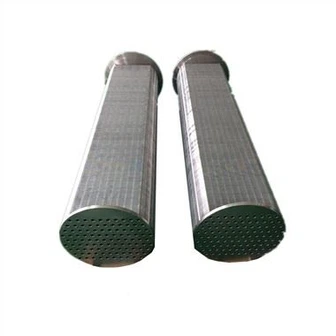
Common Faults And Maintenance Of High And Low Temperature Dry Coolers For Mitsubishi Gas Generator Sets
1, System composition and working principle
The dry cooling system of Mitsubishi units is usually divided into high temperature section and low temperature section, or divided into turbine cooling dry cooler and generator stator cooling dry cooler according to the cooling object.
1. Heat exchange medium:
Hot side: High temperature compressed air from the compressor exhaust port (used to cool the first and second stage blades and discs of the turbine).
Cold side: ambient air (driven by a high-power axial fan).
2. Structural features:
Horizontal/vertical tube fin structure: using high-efficiency finned tubes to increase the heat transfer area.
Dual process or multi process design: Ensure sufficient heat exchange.
Variable frequency fan: precisely control the outlet temperature by adjusting the fan speed.
3, Common faults and troubleshooting (focus)
1. High outlet temperature (the most common fault)
Phenomenon: Alarm "Dry Cooler Outlet Temp High", the unit may experience load limitation or trip.
Reasons and Countermeasures:
• Dirty and blocked heat dissipation fins:
Reason: Willow catkins, dust, and oil stains cover the fins, leading to a decrease in heat transfer efficiency (especially in summer).
Countermeasure: Use high-pressure cleaning vehicles (pure water or neutral cleaning agents) for offline cleaning; For online cleaning systems, check if the nozzle is clogged.
Fan malfunction or low efficiency:
Reason: The fan belt slips (driven by the belt), motor failure, and frequency converter failure cause the speed to not increase.
Countermeasure: Check the belt tension, motor current, and output frequency of the frequency converter; Clean the dust accumulation on the fan blades.

4, Maintenance and upkeep strategy
1. Daily inspection:
Record the inlet/outlet temperature, fan current, and vibration value of the dry cooler every day.
Visually inspect the cleanliness of the fins and the operating status of the fan.
2. Regular cleaning:
Frequency: Once every quarter, a deep cleaning must be carried out before the arrival of summer.
Attention: It is strictly prohibited to use a high-pressure water gun to spray vertically towards the root of the fins during cleaning, in order to avoid overturning the fins. The angle should be maintained at 45 degrees.
3. Spare parts management:
Reserve vulnerable parts such as fan belts, motor bearings, temperature control valve positioners, and fin cleaning agents.
4. Winter antifreeze:
During shutdown, if the ambient temperature is below 0 ° C, the cooling water inside the dry cooler (if any) should be drained to prevent freezing and cracking of the tube bundle.