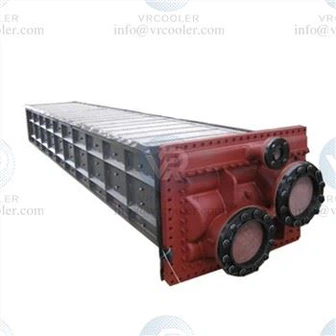
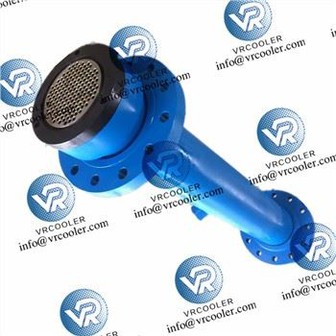
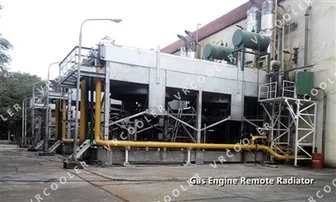
Charge Air Coolers Designed For Land-Based Stationary Engines
Charge Air Coolers Designed For Land-Based Stationary Engines
Key Features and Considerations for Charge Air Coolers in Stationary Engines:
Thermal Performance: CACs need to dissipate heat from the compressed air efficiently. Typically, this is done using a combination of water or air as the cooling medium. The choice of coolant depends on the specific application-water is often used in larger stationary engines, while air may be used for smaller units.
Construction Material: Materials used for the construction of CACs are usually corrosion-resistant, such as aluminum or stainless steel, to handle the high temperatures and pressure involved in the engine's operation.
Design Configuration:
Air-to-Water: In air-to-water charge air coolers, the compressed air is cooled by circulating water, which is then cooled via a heat exchanger (typically a dry cooler or a radiator system). This design is more effective for larger engines and environments where ambient air temperatures are not conducive to effective cooling.
Size and Efficiency: The size of the CAC is typically determined by the engine's power output and the desired cooling efficiency. Larger engines generate more heat, and therefore, the CACs for these applications need to be larger and more efficient.
Pressure Drop: Minimizing pressure drop across the cooler is critical to maintaining engine performance. A high pressure drop could reduce the volume of air available for combustion, which in turn reduces engine power and efficiency.
Maintenance: Like other engine components, charge air coolers need regular maintenance to prevent clogging, corrosion, and performance degradation. Easy accessibility for cleaning and inspection is important in the design.
Advanced Technologies: In more modern systems, charge air coolers may incorporate advanced technologies like micro-channel heat exchangers, which offer superior heat transfer and reduced weight. These are especially important for reducing the overall size of the cooler while still maintaining high efficiency.
Applications for Stationary Engines:
Power Generation: CACs are commonly used in power plants where stationary engines are deployed to generate electricity.
Industrial Facilities: In industries where stationary engines drive large equipment, the use of efficient CACs ensures optimal engine operation.
Marine and Offshore: Land-based engines used in offshore platforms or other stationary applications often require charge air coolers to maintain performance under harsh environmental conditions.