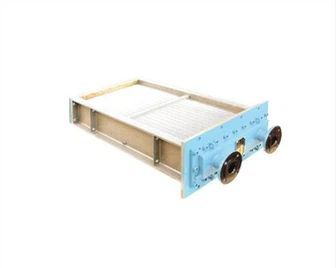
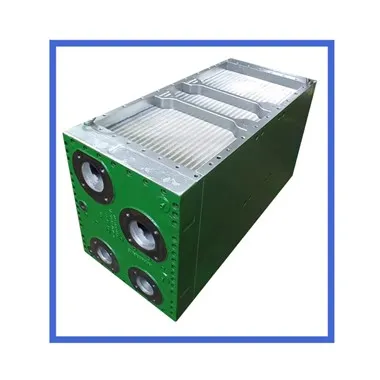
CAT G3512LE Generator Radiator
In gas power generation, cooling is one of the most important parts of keeping the engine stable, efficient, and ready for continuous duty. For CAT G3512LE generator sets, the radiator is not just an accessory installed beside the engine. It is a critical heat rejection component that helps maintain proper coolant temperature, protects the engine from overheating, and supports reliable long-hour operation in demanding environments.

The CAT G3512LE is widely used in power generation projects where dependable output and long service life are required. Because this type of generator often operates for extended periods, the radiator must be designed to handle constant thermal load while still offering good airflow, efficient heat transfer, and low maintenance. A well-matched generator radiator helps the cooling system perform smoothly even under high ambient temperatures, variable site conditions, and fluctuating engine loads.
A CAT G3512LE generator radiator is typically designed as an air-cooled heat exchanger using finned tubes to transfer heat from the engine coolant to the surrounding air. Hot coolant flows through the tube system, while fans pull or push ambient air across the finned surface. This process removes heat from the coolant before it returns to the engine jacket water system. The performance of the radiator depends on several factors, including fin design, tube material, airflow volume, fan capacity, coolant flow rate, and the temperature difference between the coolant and ambient air.
In real operating conditions, radiator selection for a CAT G3512LE generator should never be based on size alone. The design must match the engine's heat rejection characteristics, site altitude, maximum ambient temperature, installation layout, and noise requirements. For example, a generator set installed in a hot outdoor environment needs more cooling margin than one operating in a mild climate. If the radiator is undersized, engine temperature may rise too quickly during peak load. If it is oversized without proper balance, the system may become unnecessarily large, costly, and difficult to install.
Material selection is also important. Many generator radiators use copper tube and aluminum fin construction because it offers strong heat transfer performance and mature manufacturing reliability. In some projects, aluminum radiators may also be considered for lighter weight and corrosion resistance advantages. Protective coatings can be added for coastal, dusty, or corrosive environments to improve the durability of the radiator core and casing. The support frame, fan ring, guards, and piping connections should also be designed for industrial use, especially when the genset is installed outdoors or in continuous-duty power plants.
For CAT G3512LE applications, radiator systems may be supplied as standalone remote radiators or as skid-integrated cooling packages, depending on project requirements. A remote radiator is often preferred when engine room ventilation is limited or when the installation needs to move the heat rejection area away from the generator set. This arrangement can improve equipment room conditions and make maintenance access easier. In other projects, the radiator may be packaged close to the genset for a more compact layout. The right solution depends on available space, piping distance, site ventilation, and overall plant design.
Fan selection has a direct effect on radiator performance. Industrial generator radiators usually use axial fans driven either mechanically or electrically. Fan sizing must provide enough airflow across the core while considering static pressure, guard design, noise level, and motor efficiency. In some installations, variable speed fan control can help optimize energy use and reduce unnecessary fan operation during lower thermal demand. This not only supports stable cooling but can also lower operating noise and improve overall system efficiency.
Another key consideration is serviceability. A generator radiator should be built for practical maintenance, not just for initial operation. Dust, oil mist, and airborne debris can gradually reduce airflow through the fin surface, especially in industrial or outdoor locations. A well-designed radiator should allow easier access for cleaning, inspection, and replacement of key components such as fan motors, guards, and connection parts. Strong mechanical construction also helps the unit withstand vibration and long-term use in demanding generator applications.
For customers using CAT G3512LE generator sets in natural gas, biogas, CHP, or standby power projects, a customized radiator solution is often the best approach. Standard cooling units may work in some cases, but many real installations need adjustments in core size, fan arrangement, mounting structure, nozzle orientation, and anti-corrosion treatment. A custom-designed radiator can be matched to the actual operating parameters of the engine and the environmental conditions of the site, helping the genset achieve better temperature control and more dependable performance.
At Vrcooler, CAT G3512LE generator radiator solutions can be tailored according to project requirements, including cooling capacity, ambient design temperature, installation space, and material preference. Whether the application requires a compact radiator package, a heavy-duty remote radiator, or a corrosion-resistant cooling system for harsh environments, the design can be optimized to deliver stable heat rejection and long service life. With proper engineering, manufacturing, and testing, the radiator becomes a dependable part of the generator system rather than a weak point in operation.
A well-built CAT G3512LE generator radiator helps protect the engine, stabilize output, and reduce the risk of unexpected shutdowns. In generator cooling, good radiator design is not only about removing heat. It is about supporting the reliability of the entire power system.