CACW Conversion For 6 MW Nishishiba Generator | VRCOOLER
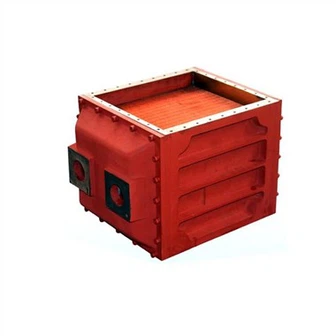
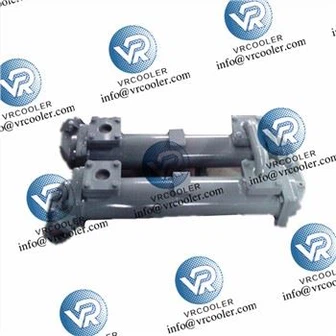
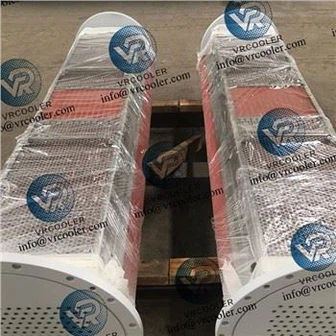
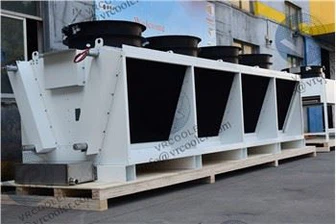
For marine propulsion, offshore platforms, cement plants, and industrial cogeneration facilities operating 6 MW (6,000 kWe / 7,500 kVA, 6.6 kV / 11 kV) Nishishiba open-ventilated or air-cooled synchronous generators (NTAKL / NTAK series), VRCOOLER custom-engineers and manufactures turnkey Closed Air Circuit Water Cooled (CACW / TEWAC, IEC 60034-6 IC81W / IC86W) Conversion Cooler Systems. Open-air-cooled generators in marine, coastal, or dusty industrial environments suffer from salt-fog ingestion, carbon/cement dust deposition on stator windings, and winding insulation degradation. VRCOOLER CACW Conversion Systems convert open air-cooled or damaged legacy coolers into a fully sealed, closed-loop cooling system by mounting a custom heavy-duty Air-to-Water Cooler (TEWAC Module) directly onto the generator stator housing enclosure. Removing 220 kWth to 360 kWth of stator and rotor electrical losses, the system cools recirculating stator air (18,000 to 28,000 m3/h) from +65°C to +75°C (+149°F to +167°F) down to +38°C to +40°C (+100°F to +104°F) using central fresh water or raw seawater. Featuring concentric double-tube safety matrices with moisture sensors, CuNi 90/10 or Titanium Grade 2 tubes, extruded bimetallic aluminum high-fins, and custom transition air hoods matching Nishishiba bolt patterns, our systems protect Class F/H insulation and comply with DNV, ABS, Lloyd's Register, Bureau Veritas, NK (ClassNK), and CCS.
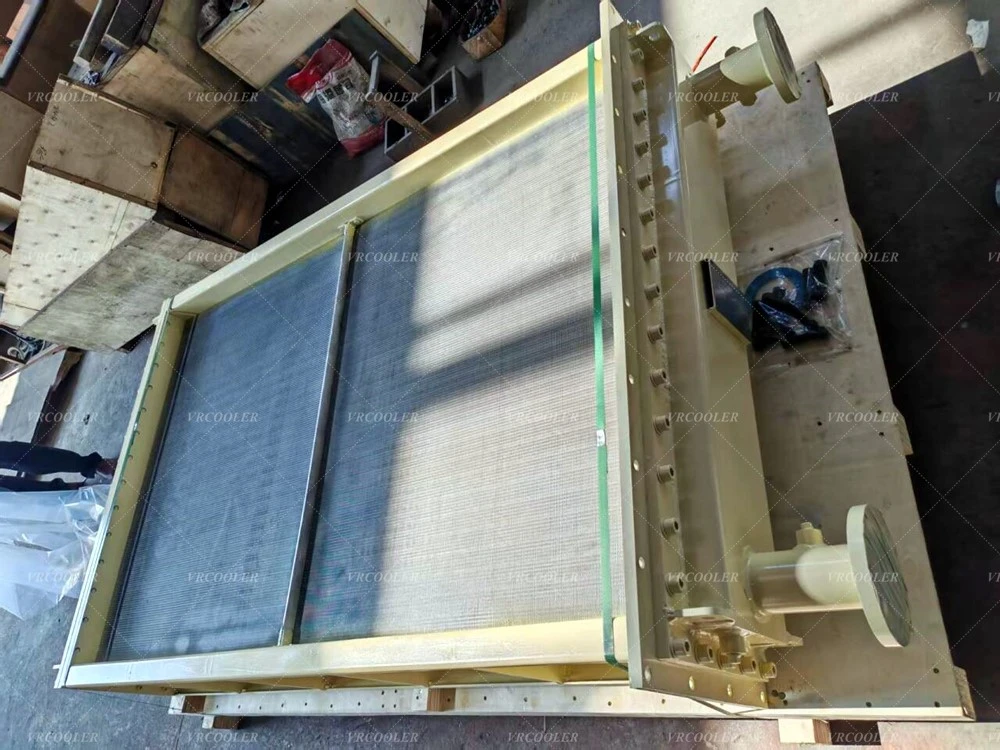
At VRCOOLER, converting a 6 MW Nishishiba generator to a CACW / TEWAC system involves a complete, precision-engineered thermal and mechanical upgrade package:
1. Custom Stator Transition Hood & Enclosure (Top-Mounted or Side-Mounted)
Custom Flange Interface: Heavy-gauge marine-grade structural steel (SS304L or coated marine carbon steel) transition hood fabricated to bolt directly onto the existing Nishishiba air intake/discharge frame.
Internal Aerodynamic Air Baffles: Custom-engineered internal guide vanes distribute recirculated air evenly across the entire face area of the cooler bundle, maintaining air velocity between 3.5 to 5.5 m/s with minimum air-side pressure drop (<180−250 Pa).
2. Double-Tube Safety Core with Electronic Leak Detection (TEWAC)
Concentric Inner/Outer Tubes: The inner tube carries cooling water (fresh water or seawater), while the outer tube is mechanically expanded with external aluminum high-fins in contact with the circulating generator air.
Capillary Leak-Routing Grooves: If an inner tube suffers erosion or corrosion, the leaking water is routed through longitudinal micro-grooves into a lower external leak-detection chamber equipped with an optical sight glass and conductivity probe, triggering a control room alarm without a single drop entering the generator winding chamber.
3. High-Performance Finned Tube Metallurgy
Tubes: Seamless CuNi 90/10 (UNS C70600), CuNi 70/30 (UNS C71500), SS316L, or Titanium Grade 2 for raw seawater cooling.
Fins: Monometallic or bimetallic extruded aluminum high-fins (Al 1060 / Al 6063) providing continuous metallic contact, superior thermal conductivity, and heavy resistance to marine atmospheric corrosion.
Tubesheets & Waterboxes: Heavy forged Naval Brass (C46400) or solid SS316L tubesheets with unboltable cast bronze (RG10) or fabricated stainless steel waterboxes for easy mechanical rodding during turnarounds.
VRCOOLER follows a structured engineering procedure to guarantee flawless mechanical fit and thermal performance:
Dimensional & Interface Audit: Verification of Nishishiba generator nameplate data, stator housing dimensions, air intake/exhaust port geometry, shaft height, and surrounding clearance.
Thermal-Hydraulic Modeling: Exact calculation of heat rejection duty (QQ), airflow resistance (ΔPairΔPair), and water velocity (1.5−2.0 m/s) to match available plant cooling water.
Custom Transition Hood Fabrication: 3D CAD modeling and CNC fabrication of the air transition enclosure to ensure 100% airtight bolt-on installation without modifying the generator rotor or stator core.
Hydrostatic & Helium Tightness Testing: Factory pressure testing at 1.5× design pressure and 100% helium mass spectrometer leak testing.
On-Site Installation Support: Plug-and-play installation during scheduled plant outages or marine drydocking windows (typically completed in 2 to 4 days).
Key Advantages of Partnering with VRCOOLER for Generator Conversions
Tailored for Nishishiba Alternators: Custom-designed to match Japanese industrial and marine mechanical standards (JIS / JEC / NK).
Guaranteed 6 MW Full-Load Output: Eliminates high-temperature derating and maintains stator winding temperatures comfortably within Class F/H thermal limits (<+105°C rise).
100% Protection Against Water Ingress: Advanced double-tube safety technology ensures zero risk of cooling water spraying into high-voltage windings.
Global Marine Classification Compliance: Supplied with full mill test certificates (EN 10204 3.1), hydrostatic test reports, and ClassNK, DNV, ABS, or Lloyd's Register survey certificates.
Frequently Asked Questions (FAQ)
Q1: Can an open air-cooled (IC01) 6 MW Nishishiba generator be converted to CACW without replacing the alternator?
A: Yes. The generator itself remains intact. VRCOOLER engineers and installs a custom top-mounted or side-mounted CACW / TEWAC enclosure hood with an integrated air-to-water cooler core. The open intake and exhaust ports of the generator are sealed into a closed recirculating air loop, converting the system to IEC 60034-6 IC81W.
Q2: How does the double-tube safety system prevent water damage to the generator?
A: The cooler consists of concentric double tubes. The inner tube carries cooling water, and the outer tube has external aluminum fins. If the inner tube breaches, water enters the micro-annular gap between the tubes and drains into an external leak chamber, triggering an electrical conductivity alarm in the control room without entering the air stream.
Q3: What cooling water mediums can be used with the VRCOOLER CACW system?
A: We engineer cooler cores for closed-loop central fresh water (using CuNi 90/10 or SS316L) as well as raw seawater / brackish harbor water (using Titanium Grade 2 or CuNi 70/30).
Q4: What information is needed to initiate a CACW conversion proposal for a Nishishiba generator?
A: Please provide the generator nameplate data (model, kW/kVA, voltage, RPM, current), available cooling water type and inlet temperature, cooling water flow rate or allowable pressure drop, and photos/dimensional drawings of the existing generator top housing.
Upgrade your 6 MW Nishishiba generator to a sealed CACW system, eliminate salt-spray and dust contamination, and safeguard power generation reliability with VRCOOLER.
Explore Generator Cooling Retrofits: Visit www.vrcooler.com
Submit Your CACW Conversion RFQ: Send your generator nameplate details, dimensional drawings, and cooling water specifications directly to our engineering division at [email protected] or WhatsApp +86 18136593690 for a detailed technical proposal, 3D CAD model, and quotation.