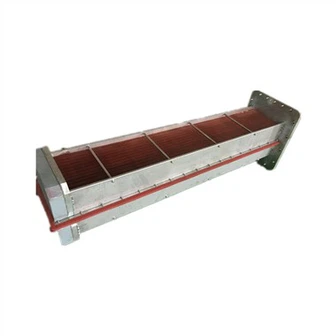
Boiler Heat Recovery For Ceramic Factories
1. Main recyclable heat sources
Flue gas waste heat: The largest source of waste heat - boiler exhaust gas temperature is usually between 200-350 ° C, containing a large amount of recoverable heat.
Waste heat from condensate water: The steam condensate water (80-100 ° C) discharged from the production line is often not fully utilized.
Waste heat from wastewater discharge: Boiler bottom/surface wastewater discharge (high temperature, containing dissolved solids).
Auxiliary waste heat: heat generated by boiler feedwater pumps, fans, and other auxiliary equipment.

2. Common waste heat recovery technologies
A. Waste heat recovery from flue gas
Economizer: uses flue gas to preheat boiler feedwater, reducing the fuel required for heating water.
Air preheater: Preheats the combustion air of the boiler/kiln to improve combustion efficiency.
Waste heat boiler (WHB): Generate low-pressure steam from flue gas for use in the factory area.
Heat pipe/heat exchanger: Efficient heat transfer between flue gas and water/air with minimal pressure loss.
B. Condensed water recovery
Condensed water tank+pump: Collect high-temperature condensed water for reuse as boiler feedwater (water-saving+heat saving).
Condensed water heat exchanger: Preheats fresh supply water with condensed water.
C. Waste heat recovery from sewage discharge
Flash evaporation tank: converts high-temperature wastewater into low-pressure steam for heating.
Heat exchanger: transfers the heat from the discharge to the feedwater or process water.
3. Benefits for ceramic factories
Fuel saving: Reduce natural gas/coal/oil consumption by 5-15%.
Emission reduction: Reduction of CO ₂, NO ₓ, and SO ₂ emissions per unit of production.
Cost reduction: Reduce fuel, water, and sewage treatment costs.
Efficiency improvement: The thermal efficiency of the boiler has been increased from 80-85% to 88-94%.
Sustainable: in line with green manufacturing and carbon reduction goals.